

AI voice synthesis is reshaping the voice acting industry and prompting a fresh look at income potential and job stability. Voice actors and content creators across various video editing workflows are adapting to these changes as digital content increasingly features AI-generated voices. The pressing concern is whether technology will fully supplant human talent or simply transform its role in storytelling.
Advances in automation bring both challenges and new opportunities for creative professionals. Investing in efficient tools that blend speed with human creativity is key to maintaining a competitive edge. Tools like Crayo’s clip creator tool streamline production, enabling professionals to focus on delivering authentic voice and direction.
Summary
- AI voice technology improved faster than most voice actors expected, with the gap between machine-generated and human performance narrowing significantly in just two years. According to WIRED's coverage of AI voice technology, these improvements are happening at a pace that feels sudden and destabilizing to professionals who spent years building their craft. The anxiety isn't irrational. It's a logical response to watching technology compress what used to take hours into seconds.
- The real threat isn't replacement, it's stagnation in low-value work. A 2023 Goldman Sachs report shows AI could impact up to 300 million full-time jobs globally, but the same research reveals automation replaces repetitive tasks, not high-value expertise. McKinsey's 2023 generative AI research confirms marketing and content production are structurally transformed, not eliminated. The risk is staying in volume work rather than repositioning toward creative direction, supervision, and personalization, where premium rates still exist.
- Market segmentation becomes clearer when budget alternatives exist, not weaker. The UK AI Opportunities Action Plan, released in January 2025, outlines more than 50 recommendations for integrating AI across industries, with a focus on augmentation rather than replacement. When everyone can generate a generic voice, distinctive voices become more valuable. Airlines didn't collapse when budget carriers appeared; they created business class. Voice actors can control both ends of the market by offering AI-assisted bulk narration for budget clients and premium human-directed sessions for brands.
- Throughput directly correlates with freelance income, and AI removes production bottlenecks. Fiverr and Upwork trend reports consistently show that higher-rated freelancers completing more gigs per week earn significantly more. It's not just skill, it's output volume. Using AI to pre-generate draft voice tracks and reduce revision cycles can increase weekly project completion by 60% or more without adding work hours. That compression turns time constraints into leverage.
- The creator economy is expanding, not shrinking, which increases demand for premium voice work. Reports from platforms such as YouTube and TikTok indicate explosive year-over-year growth in content production. More videos equal more voice demand. AI tools increase content volume, which increases demand for high-end campaigns, brand storytelling, and creator partnerships. Automation expands the market rather than eliminating it, shifting the role from manual narrator to strategic voice partner.
- Execution speed separates actors who increase earnings from those who stay stuck. The UK AI Opportunities Action Plan sets a 12-month delivery timeline for AI integration across sectors, signaling an expectation of rapid adoption rather than gradual adjustment. Markets reward action over hesitation. Testing AI tools, implementing two-tier pricing, and offering script-optimization services within 14 days positions voice actors to control pricing and positioning before the market fully shifts. The gap between understanding strategy and implementing it is where income disparity grows.
- The clip creator tool handles voiceovers, subtitles, and editing workflows in seconds, allowing voice actors to shift from production labor to creative direction, where higher rates apply.
Why AI Voice Feels Like a Direct Threat to Voice Actors
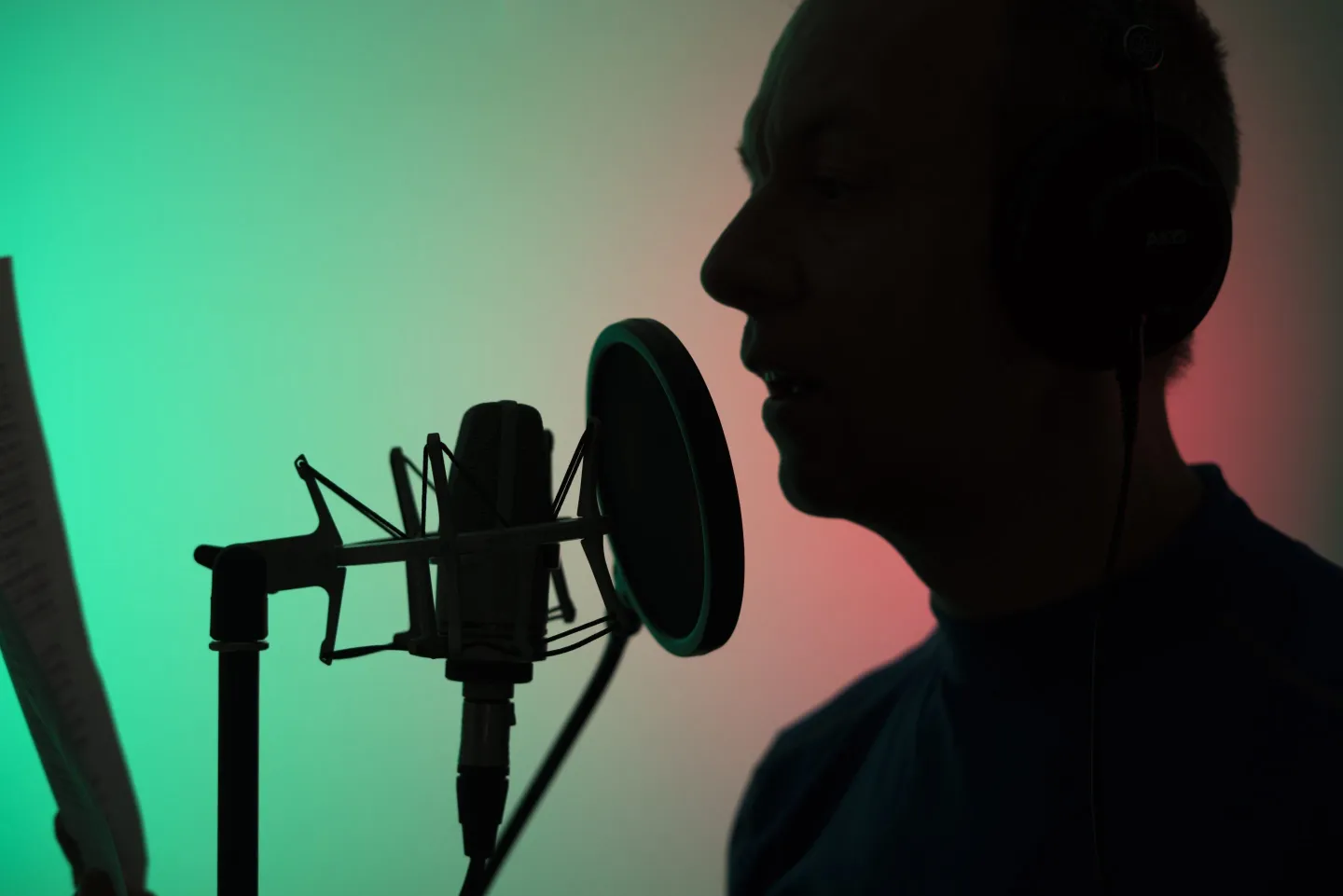
AI voice tools feel threatening because they deliver speed, cost efficiency, and consistency at a level no human can match. This situation isn't just uncomfortable; it's prompting an entire profession to rethink its value.
The worry isn't unfounded; it's a smart response to seeing technology turn what usually takes hours into just seconds. Clients are increasingly choosing convenience over craft.
AI voice generators do not negotiate rates. They don't need studio time. They don't get sick, miss deadlines, or require multiple tries to get the pacing right.
For small creators and startups with tight budgets, this reduction of obstacles is essential. It allows a YouTube channel to post daily without coordinating schedules.A SaaS company can translate product demos into twelve languages without hiring twelve voice actors. An e-learning platform can instantly update narration when a script changes without requiring a session reschedule. Our clip creator tool makes this process even smoother, helping ensure quality without unnecessary delays.
This isn't about AI being better; it's about AI being easier. When producing content in large quantities, ease often prevails.
How are AI voice tools evolving?
Two years ago, AI voices sounded robotic and flat, clearly synthetic.
Today, they mimic emotional inflection and adjust their speaking rate based on the situation. With enough sample audio, they can copy different voice styles. According to WIRED's coverage of AI voice technology, these improvements are occurring faster than most voice actors expected.This growth is closing the gap between machine-made and human performances in ways that feel sudden and unsettling. If you're interested in creating your own audio content, check out our clip creator tool for a seamless experience.
The gap isn't gone, but it's getting smaller. This narrowing gap creates a sense of urgency about the threat, rather than leaving it as a simple concern.
What does losing work feel like for voice actors?
When you've spent years building a skill, seeing software copy 80% of it in months creates a certain kind of fear. Not because the technology is perfect, but because 80% is often good enough.
Many voice actors believe that their artistry cannot be replaced, and in some situations, this is true.High-budget films, top audiobooks, and brand campaigns that need emotional depth still need human nuance.
However, most voiceover work is not in this high-end category. Most projects involve things like explainer videos, e-learning modules, social media clips, and product demos.For this kind of content, the goals are clarity and consistency, not emotional depth. Our clip creator tool helps streamline production for these projects.
What do clients prioritize in voiceover work?
For those projects, clients care about three main factors: speed, cost, and scalability.If AI can produce clean narration in three minutes instead of three days, many will choose efficiency.This is not a moral judgment; it’s a business decision.
Voice actors who see this as clients not valuing artistry miss the point. Clients who value artistry still hire people.Those who are shifting to AI have never really cared about artistry; they have focused on throughput. Our clip creator tool can help streamline the process and enhance productivity.
How does this impact the identity of voice actors?
This situation goes deeper than just money. Voice acting is about identity, encompassing performance, expression, and the skills developed through years of practice, rejection, and improvement.
When a tool comes out claiming "professional voiceovers in seconds," it doesn't just feel like competition; it feels personal. It's like hearing someone claim they can replicate your voice, cadence, and choices with just a few clicks.
That emotional layer intensifies the fear. This situation is not only about losing work; it raises worries about whether the heart of what you built your career on still matters.
What concerns are voice actors expressing?
The voice actors raising concerns in industry forums and union meetings are not being overly dramatic. They see that the market is changing faster than their skills can keep up with, and that change feels like erasure.
For creators managing multiple video projects, tools like the clip creator manage voiceovers, subtitles, and editing workflows in one place. This technology shortens production times from days to minutes. That efficiency heightens the sense of threat.The technology is not just improving; it is being used to replace entire steps in the creative process. Our clip creator tool streamlines these workflows, enabling creators to focus on their artistic vision.
However, many people overlook an important point when they focus solely on the threat: ignoring AI does not make anyone safer.
Related Reading
- Best AI Voice Generator App
- How To Voice Over A Video On Iphone
- Is Voice Ai Safe
- How To Make Ai Sound More Human
- How To Use Ai Voice Generator
- How Do Ai Voice Generators Work
- Can I Use Ai Voice For Youtube Videos
- Voice Cloning Technology
- How To Do A Voiceover On Imovie
- How To Use AI For Voice Over
- How To Do AI Voice On Tiktok
The Hidden Cost of Ignoring AI (And Why the Fear Feels Valid)

Many voice actors truly worry that AI will take over their jobs. This concern isn't unfounded; we've seen automation replace other creative jobs before.But the deeper data tells a different story: the real problem isn't replacement, but stagnation.
This concern seems logical, and history supports it.
Print designers lost their jobs to digital tools, stock photographers saw their earnings drop due to smartphones, and video editors faced lower prices from automated templates.
Research in automation economics adds to this concern. According to a 2023 Goldman Sachs report, AI could affect up to 300 million full-time jobs worldwide, particularly in repetitive or easily scalable content creation. Our clip creator tool helps voice actors streamline content creation, ensuring they remain competitive in this evolving landscape.
Voice work often involves script reading, narration, and repetitive delivery styles. When actors hear this statistic, their concerns become more real.
What does automation truly replace?
Automation replaces repetitive tasks, not valuable expertise. The same study shows that jobs are shifting toward creative work, supervision, and personalization.
The risk does not come from voice acting; it comes from remaining in low-leverage tasks.
This idea comes from basic economic thinking. If a company can create 50 voice variations quickly at nearly no extra cost, why would they hire a human? Our clip creator tool streamlines the production of diverse voice content.
In some cases, companies really do decide not to hire.
The market for short social ads, low-budget YouTube explainers, and internal training narration is getting more AI-assisted.
How is content production being transformed?
According to McKinsey's 2023 generative AI research, marketing and content production are among the industries most affected by automation. These fields are not wiped out; they are frequently updated, which supports existing concerns.
Even with this change, an important part remains: clients continue to pay premium prices for emotional nuance, brand alignment, performance authenticity, live direction sessions, and a unique vocal identity.
While AI can quickly manage a lot of work, humans provide the important depth of value.Our clip creator tool can help streamline video production while maintaining that human touch.
Yet the hidden cost of relying solely on volume work is quite high.
What are the ethical concerns around AI?
This fear isn't irrational; there have been documented cases of misuse of voice cloning.Industry discussions about AI ethics, including SAG-AFTRA union debates, show that legitimate concerns about consent, licensing, and intellectual property persist.
This belief stems from the fact that deepfake technology is improving, licensing laws are still evolving, and some platforms lack robust protections.These concerns are indeed valid.
How Does Differentiation in the Market Shift?
Research in labor economics shows an important trend: as technology becomes more accessible, the need for differentiation grows.
When everyone can create a typical voice, distinctive voices become more valuable. The competitive edge goes from just being available to having a strong identity.
Behavioral economics explains this clearly. People usually think they will lose more than they will gain, a behavior called loss aversion. This idea has been extensively studied by Kahneman and Tversky.
What should voice actors focus on moving forward?
Voice actors often focus on what they might lose rather than on what new revenue streams could open up.Our clip creator tool helps voice actors efficiently produce engaging clips to attract a larger audience.
Markets rarely eliminate skilled workers entirely; instead, they adjust their prices and roles.
The real cost isn't automation or positioning.
How does the creator economy affect voice work?
The creator economy is growing quickly. Reports from platforms such as YouTube and TikTok indicate that content production is increasing significantly each year.
As more videos are produced, demand for voice increases as well. AI tools help produce more content, increasing demand for premium narration, brand storytelling, high-end campaigns, and creator partnerships.
Automation not only expands the market but also creates new opportunities for voice professionals rather than reducing them.
What is the evolving role of voice actors?
The role of voice actors is shifting from just talking to that of a strategic voice partner.
Most creators who fight against automation tools end up wasting hours on tasks that could be done in minutes. When video projects scale from one to many, manual workflows fail. Editing, timing subtitles, and syncing voice-overs all become big problems. Tools like the clip creator tool can complete these production steps in seconds.This allows creators to focus on content strategy and performance quality rather than on technical tasks. This change is not about replacing people, but about using their skills for higher-value decisions. Our clip creator tool streamlines video production, enabling voice actors to focus on their craft.
What does adapting to AI look like for voice actors?
Two voice actors start the year with similar portfolios. One actor's approach can significantly impact their success.
Actor A rejects AI entirely, while Actor B learns to use AI tools. This knowledge helps Actor B to prototype voice directions, offer hybrid packages, deliver faster drafts, and create demo reels efficiently.
After 12 months, Actor B successfully closes higher-value contracts. Their understanding of client workflows, ability to speak the language of automation, and their positioning as a premium human upgrade contribute to this success.Our clip creator tool helps voice actors streamline their workflow and harness the power of AI.
The difference between the two actors lies not in talent but in their ability to adapt.
What happens if you ignore AI?
If you ignore AI, you lose market intelligence, pricing leverage, workflow efficiency, and positioning advantage. This decline doesn't happen overnight; it happens gradually.
As the market moves forward, you are left behind. This gap only gets bigger over time.
Now the real question is: what if the people who learn to work with AI earn more in just two weeks than those who resist it do all year?Our clip creator tool helps streamline your workflow, making it easier to adapt to these changes and stay competitive.
5 Practical Ways to Use AI to Earn More as a Voice Actor in 2 Weeks

AI doesn't reduce earning potential; instead, it makes production easier.By changing your approach, you can boost your output, increase perceived value, and get higher-paying clients faster.
Here's how.
1. Use AI for Demo Creation, Close Clients Faster
Most voice actors make one polished demo reel every few months, sending the same generic sample to each potential client, hoping it connects.
The issue is that clients prefer samples that match their niche. For example, a real estate developer needs confident, trustworthy narration, while a gaming studio wants intensity and range. A luxury brand may want elegance and restraint.Waiting to record each variation manually can slow down opportunities. By the time you finish recording three custom demos, the client has often chosen someone else.
Use AI voice tools to quickly create multiple tonal styles, script variations, and industry-specific demos. Test which style clients like best, then re-record the top-performing versions in your authentic voice. Our clip creator tool simplifies the demo creation process to help you secure those jobs faster.
Instead of sending a single generic demo, you can create five industry-specific demos. For example, a freelancer who focuses on YouTube automation channels might quickly make a documentary tone, a lively commentary tone, and a peaceful educational tone. By determining which style works best before recording the final versions, the freelancer can refine their approach.
The result is higher conversion rates because the demo precisely matches the buyer's needs. This way, AI acts as your testing lab, not a substitute.
2. Offer Hybrid Packages (AI Plus Human Equals Premium Positioning)
Many believe that if AI is cheaper, they must lower their prices. This seems logical, but market pricing theory suggests otherwise.
When a lower-tier product is available, premium positioning becomes clearer. Airlines didn't collapse when budget carriers appeared; instead, they created business class.
You can use a similar strategy.
Offer two options: AI-assisted bulk narration for budget clients and premium human-directed voice sessions for brands. You manage both ends of the funnel. Instead of losing low-budget clients, you can make money from them at scale. Instead of competing with AI, you can package it, and our clip creator tool helps you easily diversify your offerings.
The result? More total contracts, increased pricing flexibility, and better control.
3. Increase Output Without Increasing Work Hours
Manual recording slows down your income potential. If you only record three projects a day on your own, you can only earn from those three projects each day.
Using AI to create draft voice tracks in advance allows clients to select the tone. This way, you only need to record the final instructions. This method can significantly reduce the time required for changes.
Speed in content production is directly linked to how much money you can make in freelance jobs. According to trend reports from Fiverr and Upwork, higher-rated freelancers who finish more gigs each week make a lot more money.
This increase isn’t only because of skill; it’s also about how much work they can get done. Furthermore, leveraging tools like our clip creator can streamline your process, making production even more efficient.
AI helps increase how much work you can do, and as that increases, the limit on your income goes up too.
4. Monetize Script Testing for YouTube Creators
YouTube creators are increasing the amount of content they produce and paying attention to factors such as how long viewers watch, how strong their hooks are, and how fast they speak.
To improve their content, creators can use AI voice tools to create three different hook variations. They can try out different speeds and compare their delivery styles. This service can be called "Voice Optimization Testing."
This shows a new role for creators. They are not just voice actors; they are performance optimizers.
The results include more valuable contracts and repeat clients, shifting from regular per-minute payments to strategy-based payments.
When creators make several videos each week, testing their voiceovers can slow them down. They need to determine which hook captures people's attention before committing to production. Tools like the clip creator tool help creators make voiceovers, subtitles, and edits in just seconds.This reduces testing time from days to minutes. This speed enables voice actors to provide rapid iteration services that weren't previously available.
5. Create Digital Voice Products
Most voice actors sell their time, which limits how much they can earn.
But with AI, it's possible to create pre-recorded narration packs, sell course narration bundles, build template voice libraries for certain niches, and license special voice formats.Our clip creator tool enables these innovations by streamlining the audio production process.
This change helps voice actors shift from earning service income to making asset income.This type of leverage boosts profits without increasing labor.
What are some practical steps to implement AI in your workflow?
A voice actor specializing in meditation content can create a collection of 50 guided meditation tracks in various lengths and styles. They sell access to this collection for $99 per month to wellness app developers. This way, they can earn money regularly from work that is done only once.
In the first week, the actor should create five different AI demo variations. They can then choose one niche, such as YouTube, SaaS, or real estate, and begin setting up hybrid package pricing.
In the second week, it’s important to reach out to 20 targeted creators. The actor can offer demos that fit their scripts and try to get the first optimized deal.
This method is not about replacing oneself. Instead, it aims to increase the number of deals and their value to achieve lasting success.
Knowing the strategies is one thing; actually following them in the right order is what sets apart those who earn more from those who stay stuck.
14-Day Action Plan to Earn More (Using AI the Right Way)

Strategy without execution is just theory. Voice actors who want to increase their earnings in the next two weeks won't do this by just reading more articles or waiting for everything to be perfectly clear. They will do it by testing, iterating, and repositioning faster than the market expects.
This leads to the exact steps needed for success.
Days 1–3: Test Five Niche Variations Before You Record Anything
Most voice actors waste time recording full demos before they understand what clients really want. They often guess at the tone, pace, and energy, and then hope that the recording connects with potential clients.
This approach is backwards.
AI voice tools can create five different versions of the same 30-second script. You might try styles like a documentary tone, a high-energy explainer, a calm educational delivery, a dramatic cinematic read, and a conversational podcast style.After making these versions, send them to three potential clients or share them in specific creator groups. Request feedback on which version receives the most attention.
By doing this, you'll learn your preferences before spending valuable studio time. For example, a voice actor targeting faceless YouTube automation channels might think a dramatic delivery is the best choice. However, testing might show that a neutral pace with a bit of enthusiasm actually gets better results. This knowledge can save hours of unnecessary recording and immediately improve your strategy.
This method isn't about replacing your voice; it's about using AI as a research tool to remove guesswork.Our clip creator tool can help streamline this process by providing quick feedback on different voice styles.
Days 4–7: Build Two-Tier Pricing That Captures Both Ends of the Market
The belief that AI forces you to lower prices misses how markets actually segment. According to the UK AI Opportunities Action Plan, released in January 2025 and outlining over 50 recommendations for integrating AI across industries, the focus is on improving outcomes rather than eliminating jobs.Premium services are clearer when budget options are available, not when they disappear.
Creating two separate packages can significantly support this segmentation. The first package offers AI-optimized narration for high-volume, budget-minded clients who need clean delivery quickly.The second package delivers premium human performance, including live direction, emotional depth, and brand alignment, for clients who value storytelling quality.
You control both levels of your pricing strategy. Instead of losing budget clients to AI, you can make money from them on a large scale while keeping a premium positioning for high-value work. For example, a voice actor might charge $50 for an AI-assisted explainer video delivered within 24 hours.At the same time, they might charge $500 for a fully directed brand campaign that includes multiple takes and personalized pacing adjustments. This shows the same skills but offers different value propositions.
This method does not weaken your brand; instead, it broadens your target market.
Days 8–10: Compress Revision Cycles to Increase Weekly Output
Income caps exist because time is limited. If a voice actor can finish three voiceover projects in one day, they can only earn from those three projects, no matter how much demand there is.
The problem isn’t talent; it’s how fast they can make changes. Clients often request changes to speed, tone, and emphasis. Each change requires rescheduling, re-recording, and re-delivery, adding complexity to all projects.
Use AI to generate rough drafts for clients to review before you record the final version. They can pick the pacing, approve the tone, and confirm the emphasis. You will only record the approved direction. This method reduces guesswork and cuts back-and-forth time by 60% or more.
A SaaS company needing a product demo narration can review three AI-generated pacing options in ten minutes, choose the one they prefer, and receive their final human recording in just hours rather than days. Faster feedback means more projects finished each week. More projects lead to increased monthly revenue without working longer hours. By leveraging our clip creator tool, teams can efficiently refine their content to meet client needs.
Throughput is a key point in voice acting. Advances in AI greatly improve throughput, allowing voice actors to work more efficiently.Our clip creator tool enhances this process, enabling actors to produce high-quality recordings even faster.
Days 11–12: Offer Script Optimization as a Standalone Service
Most voice actors mainly see themselves as narrators. They usually wait for the final scripts before reading them aloud.
This is a commodity service.
Reposition as a performance strategist. Offer script testing before recording. Use AI to create three hook variations. Test different beginnings and compare how well they keep viewers' attention.Deliver a report showing which version keeps attention the longest, and then record the best version. For further enhancement, consider how our clip creator tool optimizes content performance.
This change moves you from order-taker to consultant. For instance, a YouTube creator producing weekly explainer videos might pay $150 for narration alone, but could pay up to $300 for script optimization and narration. The extra value is not just more recording time; it’s the strategic insight that greatly enhances their content performance.
Companies are competing not solely on voice quality but on results.This change underscores the importance of effective strategies that deliver measurable outcomes.
Days 13–14: Close Three Clients Using Proof, Not Promises
Now, the focus is on execution instead of preparation. Successfully executing plans is key to achieving the desired goals.
How should I approach potential clients?
Contact 20 creators or businesses in your chosen area. Don't send a standard demo. Instead, give them two-tone options of their real script (or a script that closely matches their style), along with a pacing suggestion that fits their audience.Add a short explanation of why one version might keep attention better than the other.
This method really shifts the conversation. You're not asking them to think about how you'd sound; you're demonstrating exactly what you'd provide, along with careful reasoning.Our clip creator tool can simplify this process, helping you craft engaging content that resonates with your target audience.
What are effective examples of targeted outreach?
A real estate agency that offers weekly property tours might receive an email with two narration examples: one with calm, trustworthy pacing and the other with energetic, aspirational delivery.The email explains that research on how people engage with real estate videos shows that a more measured pace is more effective for luxury properties, while an energetic delivery is more effective for content aimed at first-time buyers.This level of detail demonstrates expertise rather than desperation.
When creators work on multiple video projects each week, manually coordinating voiceovers can slow progress. They need narration that fits with editing timelines and does not cause delays. Tools like the clip creator tool speed up voiceover, subtitle, and editing tasks to just seconds.This feature allows creators to test different hooks and pacing without waiting days for changes. Such quickness helps voice actors deliver fast service, making them valuable team members rather than just separate vendors.
How can I conclude a successful outreach campaign?
Close three clients in these final two days, not by pitching harder, but by demonstrating value before the contract is signed.
Most voice actors will read this and agree it makes sense, but few will actually carry it out within 14 days.Using our clip creator tool can streamline the process and help you showcase your value more effectively.
What is the key to bridging the execution gap?
The gap between understanding strategy and executing it is where income disparity widens. This happens not because the tactics are complicated, but because taking action means facing discomfort.Testing AI tools can feel like confirming a threat, while providing budget tiers can seem to devalue one's work. Changing roles to become a strategist can feel like overstepping.
However, markets reward action, not delay. According to the UK AI Opportunities Action Plan, which sets a 12-month delivery timeline for AI integration across sectors, the expectation is for rapid adoption rather than gradual change.The voice actors who start using AI in their work now will manage pricing and positioning in a year. Those who wait will be responding to a market that has already progressed. Our clip creator tool simplifies the transition, enabling you to quickly adapt and leverage AI effectively.
What should I consider about AI's impact?
The question isn't whether AI will change voice acting; it already has. The real question is whether you'll use this change to increase revenue or wait for others to do so.
Understanding the plan is only half the solution, and it's the easier half at that.
Related Reading
- Ai Voice Cloning Scams
- Voice Over For E-learning
- Voiceover Industry Classification Categories
- How To Do A Voiceover On Canva
- How To Do A Voiceover On Google Slides
- How To Add Voiceover To PowerPoint On iPad
- How To Do Voiceover On Capcut
- How To Do A Voiceover On PowerPoint
- How To Add Voiceover To Instagram Reels
- How To Add Voiceover To Instagram Story
- How To Screen Record On Mac With Voiceover
Start Your 14-Day Shift Today
The execution step separates those who adapt from those who wait. With the framework in place and a clear understanding of the repositioning, it's time to take action before momentum fades.
Pick one niche today, not three, and not eventually. Focus on one area where you either understand the content style or can study five examples in an hour. Think about options like YouTube explainer channels, real estate agencies, SaaS product demos, meditation apps, or educational course creators. Specificity creates traction.Create three different versions of a 30-second script using AI voice tools. Test a calm instructional delivery, an energetic conversational style, and a neutral documentary tone. Send those versions to five potential clients with a one-sentence explanation of why you chose each approach for their content type. Track responses for seven days and refine your strategy based on which tone converts interest into conversation.
You don't need to replace yourself; you need to increase your output, testing speed, and strategic positioning. Start with one script, one niche, and one optimized demo. Build from there.The voice actors who adapt won't just survive; they'll earn more while others are still deciding whether to start. When content production timelines shrink from weeks to days, manual workflows become the bottleneck. Tools like the clip creator tool handle voiceovers, subtitles, and editing in seconds, allowing you to focus on performance strategy rather than technical coordination. This shift from production labor to creative direction is where higher rates are found.
Related Reading
- AI Voiceover Generation Tools
- Uberduck AI Alternative
- Play.ht Alternatives
- Murf AI Vs Elevenlabs
- Murf AI Alternatives
- Speechify Alternative
- Wellsaid Labs Alternative
- Resemble AI Alternative
- Lovo.ai Alternative Free
- Elevenlabs Alternative