

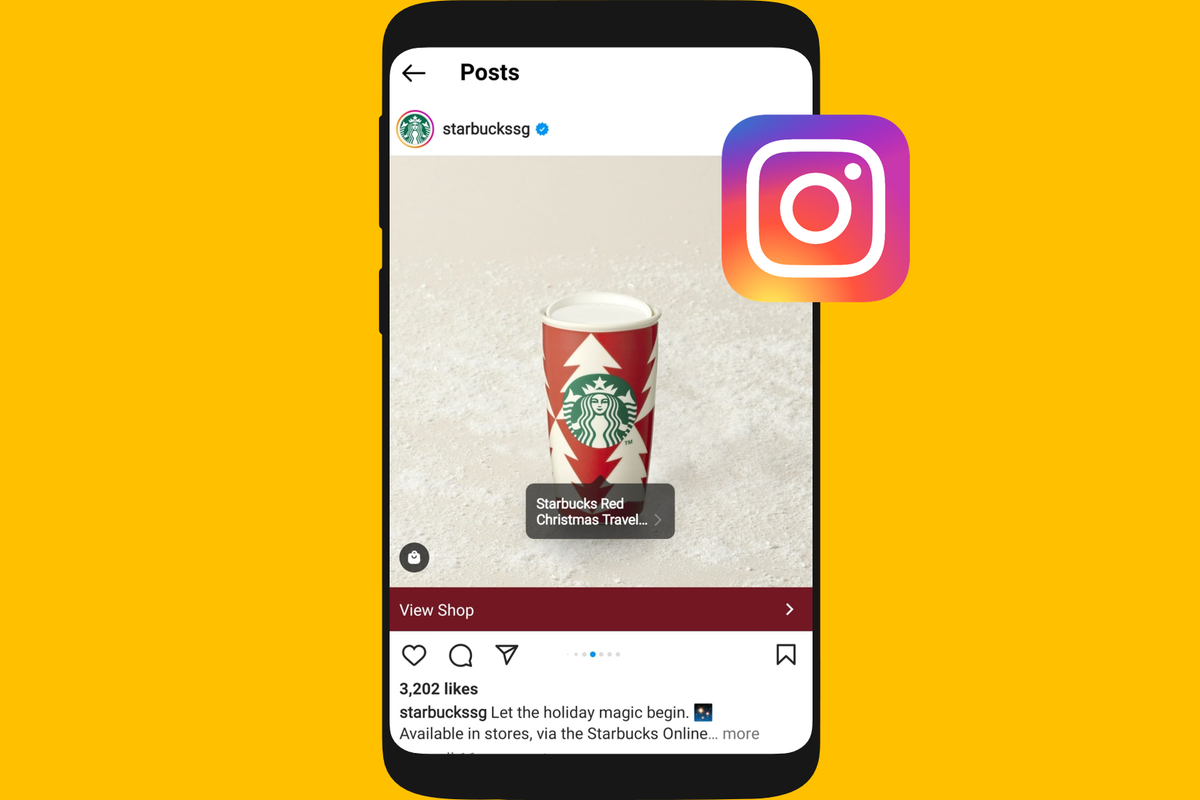
Instagram commerce connects creative content with evolving regulations, as short clips transform into sales opportunities. Many creators and enthusiasts ask, "Is it legal to sell on Instagram?" Businesses now face stringent payment policies, tax obligations, and copyright rules that drive responsible practices on the platform.
Compliance with consumer protection and influencer disclosure requirements is essential for sustained growth. Navigating these challenges while maintaining creative freedom remains a top priority for sellers and brands alike. Crayo offers a clip creator tool that streamlines video editing and formatting, enabling creators to produce compliant, engaging content effortlessly.
Summary
- Selling on Instagram is legal only if you operate as a legitimate business, comply with the platform and local laws, and convert DM agreements into written invoices within 24 hours to reduce dispute time.
- Use in-app Shops and shoppable posts to centralize product information and reduce friction, noting that over 130 million Instagram users tap on shopping posts every month, which raises both sales opportunity and regulatory scrutiny.
- Discovery drives demand on the platform: 83% of users find new products on Instagram. Consistent SKU mapping and truthful product claims are critical to compliant conversions.
- In-app presentation improves results: Instagram Shops have increased conversion rates by 30%, but that uplift underscores the need for accurate inventory, pricing, and tax handling.
- Many buyers leave the app to finish purchases, and about 50% of Instagram users have visited a website to purchase after seeing a product, so off-app checkouts must mirror in-app disclosures and audit trails.
- Operational controls for ephemeral formats matter; for example, livestreams require that recordings, chat logs, and SKU reconciliation files be saved within 48 hours to defend against disputes.
- This is where Crayo's clip creator tool fits in: it helps teams batch-produce captioned, SKU-tagged short videos with embedded metadata and timestamped exports that support compliance and recordkeeping.
Table Of Contents
- Is It Legal To Sell On Instagram
- Key Features of Instagram Shop
- Benefits of Instagram Shop
- 11 Tips to Sell on Instagram
- Create Viral Shorts In Seconds With Crayo
Is It Legal To Sell On Instagram

Yes, you can sell on Instagram legally, but only if you treat it like a real business. You must comply with Instagram’s commerce rules as well as your local registration, tax, and consumer laws.It's essential to maintain transparent records and comply with mandatory product and disclosure standards. Running sales through posts, DMs, or an in-app shop does not eliminate your obligations as a seller.
1. What legal basics must you address before listing items?
Follow platform rules and local business law: you must adhere to Instagram’s Commerce Policies and any other Meta rules that apply to selling, including what products are allowed, how you describe items, and how you represent pricing and returns.At the same time, you must satisfy local requirements: register a business if required, collect and remit sales or VAT taxes, keep sales records for audits, and comply with consumer protection and warranty rules that apply in your jurisdiction.
Practical checklist: choose the correct account type, display clear contact and refund terms, register for tax IDs if thresholds apply, and maintain invoices and shipment proof for at least the period required by local law. To enhance your selling process, consider using our clip creator tool to streamline your content creation.
2. How can you sell inside the app in a compliant way?
Selling inside apps can be done in a compliant way by following these guidelines:
Use an Instagram Shop when you are eligible. If you meet the eligibility requirements, Instagram Shop creates a storefront within the app where you can list SKUs, display prices, and enable checkout without leaving Instagram.This option centralizes product details, enforces product standards, and provides access to in-app commerce tools that simplify tracking, returns, and tax reporting.
Because the shopping feature increases visibility, you also face higher scrutiny. It’s essential to maintain accurate product descriptions, compliant imagery, and documented supply chains in case anything is challenged.
3. What do sellers do when they take orders privately?
One standard method is to take orders via DMs while maintaining clear documentation.Many creators and small shops use DMs to confirm orders, negotiate details, and arrange payment. This method is legal, but it creates compliance risks if purchase records are not maintained.
This approach protects sellers if a customer claims they didn't receive their order or if a platform flags their account. It also helps with bookkeeping and tax reporting.
4. Why do sellers rely on outside payment tools, and what must they watch for?
Sellers often rely on outside payment tools for several reasons. If they do not use an integrated checkout, they can legally accept payments through services such as PayPal, Stripe, or bank transfers.
While these options are legitimate, sellers must follow specific practices: issue receipts, reconcile payments to invoices, comply with anti-money-laundering rules as required, and ensure refund policies comply with consumer law.
Keeping merchant-service agreements and records organized is also essential. Payment platforms will be the first place to turn in disputes or chargeback investigations.
5. Can you redirect customers to another site or service to complete the sale?
Key points include linking to external checkout options while keeping the transaction thread clear: You can redirect buyers to WhatsApp, Etsy, a Google Form, or another storefront. The legal requirement is transparency; it must be clear where money changes hands, who handles fulfillment, and who is responsible for returns and taxes.
Keep external receipts and any chat logs that show the final agreement. If multiple platforms are involved, clearly state which terms govern the sale. This clarity helps establish the chain of responsibility in the event of a dispute.
6. Do you need a website to sell legally?
A website is helpful but not required for legal sales. While platforms like Instagram offer enough tools for lawful commerce, having a website adds credibility. It also automates and centralizes your terms and privacy policies.
If you decide not to create a site, consider replacing it with a clear, permanent terms link hosted on a simple page or document.Additionally, keeping good records will help make audits and disputes easier to handle.
7. What else should you proactively protect and document?
Protect your intellectual property and plan for takedowns. This issue often arises in handmade and creator shops where images, designs, and listings are copied. Takedown procedures can take significant time.
Platforms often require itemized reports for every infringing listing, which can be time-consuming when dealing with many copies. To make this process easier, keep originals, register important works when you can, watermark images carefully, and use ready-made takedown notice templates. This helps you act quickly without creating new documents each time.
If someone continues to infringe despite your notifications, document every contact you make. Consider escalating the situation by engaging a registered IP attorney or using a claims process that builds a stronger record.
8. What small compliance steps prevent the most significant headaches?
Small compliance steps can significantly ease problems in business operations.Practical, low-friction compliance habits to adopt include:
- Always post truthful product claims and complete price information.
- Maintain a standard refund policy and attach terms of sale to every invoice.
- Store shipment tracking and proof of delivery for reference.
- Use consistent naming and SKU practices to ensure bookkeeping aligns with bank statements.
When using direct messages for orders, change them to a one-page invoice template within 24 hours. This habit reduces dispute time and improves audit readiness.
How can you handle increasing order volume?
Most sellers start by managing orders manually because it's familiar and quick. This is fine for a few transactions, but as the number of orders increases, issues such as missing tax registrations, inconsistent invoices, and scattered proof of fulfillment can lead to real legal problems.Solutions such as compliance consultancies and workflow tools offer templates, automated checklists, and audit trails that reduce manual work, minimize errors, and streamline regulatory reviews. Additionally, using a clip creator tool can further simplify the process.
How can templates help with frustration?
It's normal to feel tired when someone copies your shop or when there's a lot of takedown work to do. That frustration leads to making helpful templates and easy checklists. These tools, including our clip creator tool, help you sell with confidence while staying away from preventable risks.
What Should You Know About Your Storefront Setup?
Many people overlook essential parts that can significantly affect their storefront setup.
Key Features of Instagram Shop
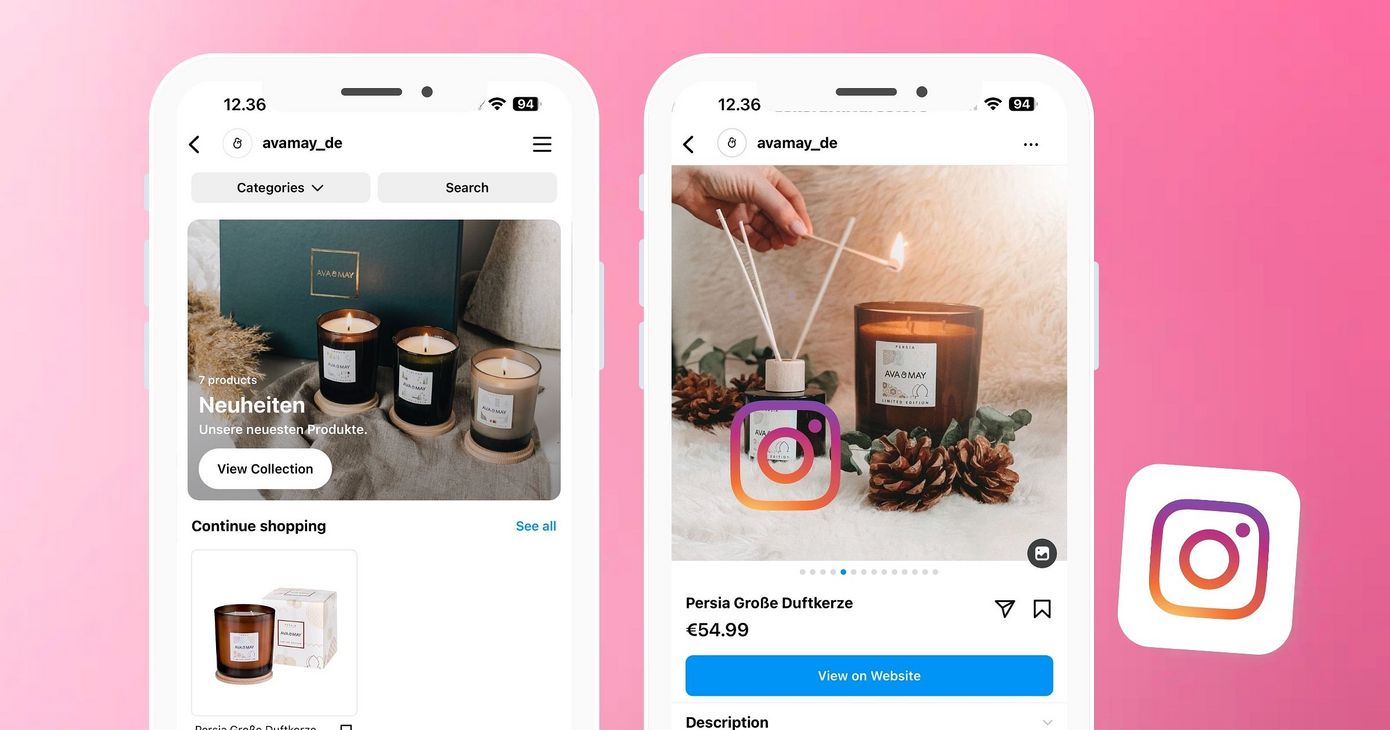
Instagram Shop combines four product-focused features that turn content into purchasable touchpoints. It also creates records for your business and helps you comply with regulations. Each feature should be seen as both a sales lever and a compliance control.
How you set up tags, pages, collections, and checkout will affect your disclosure, tax, and audit obligations. Additionally, utilizing our clip creator tool can enhance your content strategy, making it easier to create engaging clips that drive sales.
1. Why do shoppable posts and stories matter?
Shoppable posts and stories are essential for finding products and dealing with legal issues. Shoppable tags turn feed posts, Reels, and story stickers into clickable product links that help users make a purchase. This ability to discover is key to following the rules. According to Instagram Business, in 2025, 70% of shopping enthusiasts look to Instagram for product discovery, according to the Instagram shopping statistics report.This focus leads to two important points: your claims and visuals will be seen as part of an offer, and regulators will view each tagged post as an advertisement that must be true and adequately disclosed. To address this, assign a SKU to every tagged item, keep a timestamped screenshot of the live post in your order records, and use consistent language across captions, tags, and product detail pages so that price, size, and essential warnings do not conflict.
2. How should PDPs be treated beyond basic specs?
Product detail pages (PDPs) are critical in e-commerce, where buyers want comprehensive information. Each tagged product links to a page with full details, shipping terms, warranties, and return instructions. These pages are where compliance meets customer care. It is vital to share required disclosures, safety information, country-of-origin statements, and standard return windows, as this transparency helps resolve disputes more easily.
This method works exceptionally well for artisan and handmade sellers, who get more engagement when PDP copy highlights craftsmanship and clear provenance. Buyers often want to buy both the product and the story behind it.From an operational point of view, it is vital to add machine-readable metadata such as GTIN or SKU, maintain a stable product URL for invoices, and have a policy for archiving snapshots to show what a PDP displayed at the time of sale.
3. What should you control in your storefront layout?
Customizable shopfront. Your shopfront is a special area on Instagram where collections, featured items, and brand images all come together. Choices in visual merchandising can significantly shape what buyers expect and how they perceive regulations. While putting together themed collections is helpful, every collection you promote must show accurate claims, consistent pricing, and clear shipping options for the items it contains.
For sellers who ship to different countries, it's vital to use collections that highlight specific items and terms for each country. Keeping a permanent link to your return policy and contact information ensures this information is easy to find before a purchase. Greater visibility can attract more attention, so it's vital to keep saved images and collection versions ready to handle takedown requests or customer complaints promptly. Keep in mind that greater visibility leads to real traffic; Instagram Business reported that over 130 million Instagram users tap on shopping posts every month.
4. What changes when payment stays inside the app?
In-app checkout shortens the funnel and changes how transactions are processed. Some payment processing, tax calculation, and buyer protection tasks move to the platform, while you stay the seller of record. This means it is essential to read the merchant terms carefully. Also, keep separate copies of receipts and shipment confirmations.Plan for chargebacks and returns in accordance with both platform rules and applicable local consumer laws. Where possible, review the platform's KYC and payout settings to ensure that payout schedules, tax-reporting fields, and refund methods align with your bookkeeping. Lastly, treat platform-provided receipts as a helpful addition, not a substitute, for your own invoicing and tax records.
5. What should you do this week to lower legal risk?
Practical compliance habits should fit every feature. Start by enforcing three simple rules across tags, PDPs, collections, and checkout.
First, maintain one canonical source of truth for product data. Second, take a snapshot of every public presentation of that product at the point of sale. Finally, implement a disclosure checklist in any posting workflow.
These steps will speed up dispute responses, simplify VAT or sales tax reconciliation, and reduce the risk of mismatches between a post and an invoice, which could lead to regulatory exposure.
What happens when your volume grows?
That solution sounds neat, but what happens when your volume grows? Manual checks may not work well, and this is where the real challenge begins. You will want to have a plan ready before that day, perhaps using our clip creator tool to streamline your process.
Related Reading
- Can You Sell On Instagram
- How Much Money Can You Make On Instagram
- What To Sell On Instagram
- How To Promote A Book On Instagram
- How To Do Collaboration On Instagram
- How To Sell Directly On Instagram
- How To Get Clients On Instagram
- How To Get Approved For Instagram Shopping
- How To Sell Things On Instagram Without A Website
- How To Sell Earrings On Instagram
Benefits of Instagram Shop
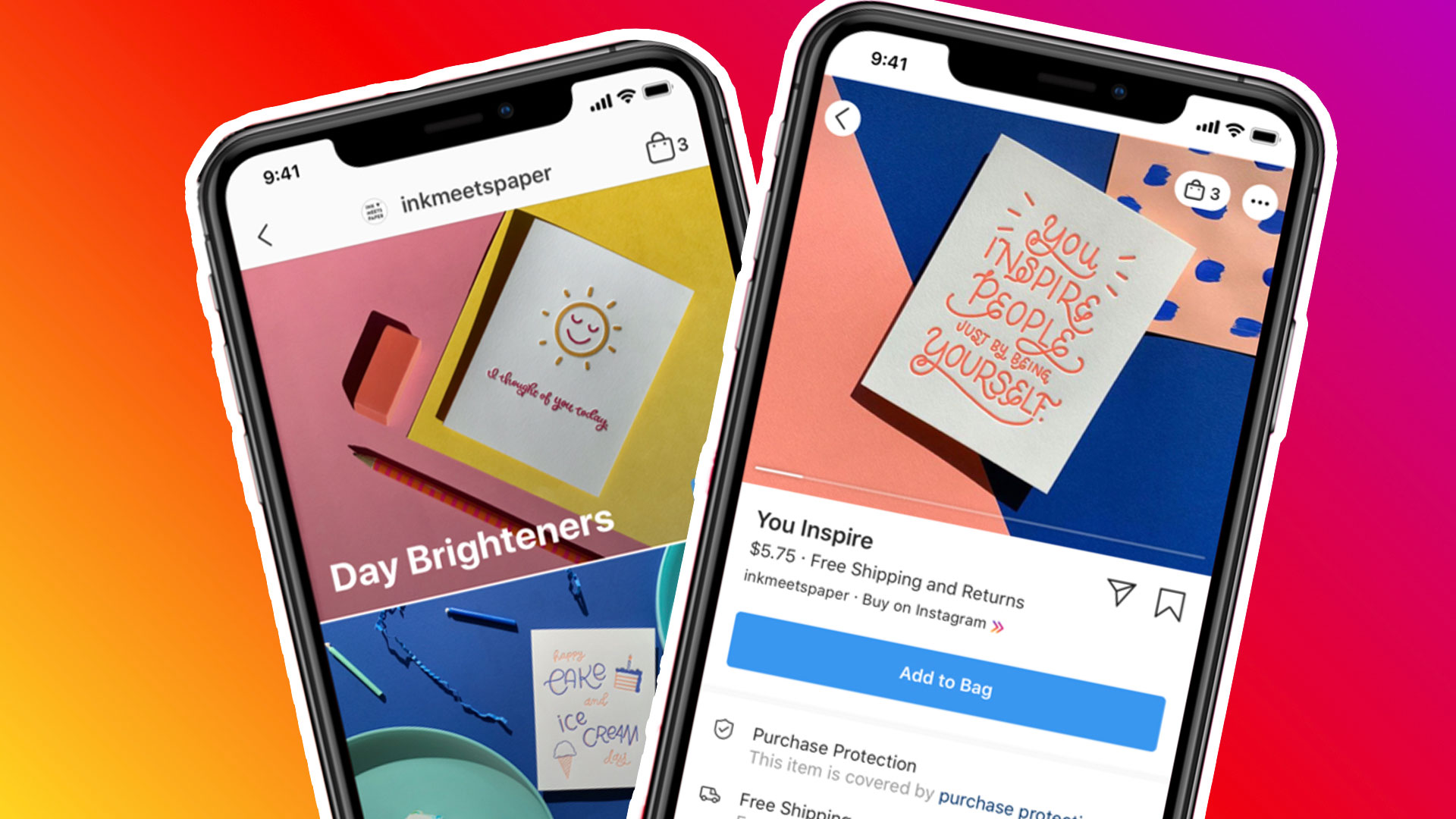
Instagram Shop is a valuable way to make things easier for buyers, share product information where potential customers are already active, and enable algorithmic discovery that drives real sales.It accelerates the buyer's journey, strengthens the link between posts and inventory, and shifts marketing efforts from generating clicks to driving sales.
1. Streamline the path from browsing to buying.
Why does this work for small sellers?
Making checkout and product details easy to find within the app helps reduce cart abandonment; each extra click can erode attention and trust. This scale matters: over 130 million Instagram users tap on shopping posts every month.According to Instagram Business in 2025, this number shows the genuine purchase-intent actions happening within the app. This means your product pages become the point where buyer interest turns into an order. In practice, treat each tagged item as a conversion event: sync SKU data to your shop, keep a copy of the live post with a timestamp for records, and set up inventory buffers to avoid overselling during busy periods.
2. Promote products without pulling people off the app.
How does promotion become less annoying and feel more natural?
Instead of sending followers to a link in your bio, your posts and stories can share product information and direct paths to purchase. This way, promotion feels more helpful rather than interruptive.This method addresses a common problem faced by creators and small shop owners: they often spend many hours writing captions to get just one click, with unpredictable results. The usual strategy is to create links and landing pages, which work at first; however, as posts grow, the additional steps can become overwhelming.
Tools like the clip creator tool gather short-form content creation and tagging in one place, reducing the time required to create shoppable clips. This keeps the promotional creative aligned with product data, reducing the need for manual edits as volume increases.
3. Win targeted visibility and better conversion signals.
What happens to reach and performance?
Instagram features shopping posts in dedicated sections such as Shopping Explore and the Reels feed, allowing well-tagged, engaging content to be shown to users who are already likely to buy. Instagram Shops have increased businesses' conversion rates by 30%. Reported by Instagram Business in 2025, this boost shows how presenting products in-app and simplifying checkout really turns interest into purchases.
The practical takeaway is this: while more exposure is good, it also highlights any flaws in fulfilling orders, pricing accuracy, or tax handling. Think of your Shop as a store on a busy street: you need reliable stock levels, clear shipping service level agreements (SLAs), and automated order reconciliation to ensure spikes in interest lead to happy customers, not disputes.
A typical pattern emerges: most sellers keep promotion, inventory, and content creation in separate departments because this workflow feels normal and doesn’t require new tools. This approach can work well until a promotional post triggers a surge of orders.At that point, manually checking SKUs, mismatched captions, and missed disclosures can lead to refunds and regulatory issues. Tools like the clip creator link creative work to product data and versioned records, reducing the time from idea to compliant, shoppable clip while also creating an audit trail for any disputes.
Consider it this way: a Shop is a pop-up store in a busy mall. You gain from more visitors, but you also need staff, clear receipts, and an easy-to-find refund policy. This mix of greater attention and stricter operational rules is where compliant selling becomes critical.
Try Crayo’s free clip creator tool today: just click the ‘Try Now’ button on our homepage to get started.No account is needed, and you can go from idea to viral short videos in minutes with Crayo.
That simple win may seem complete until you find out about the one operational detail that can quietly put margins and reputation at risk.
11 Tips to Sell on Instagram
Selling reliably on Instagram depends on three essential things: quick, steady content that helps people find your products; a clear transaction path that keeps records straight; and transparent practices that avoid issues with the rules. Get these things right, and you can turn casual interest into defensible revenue.
According to Metricool, 83% of Instagram users discover new products and services on the platform, underscoring the importance of creating high-quality content and optimizing metadata.By 2025, this level of discovery will significantly shape how compliance and conversion intersect.
1. What specific tools can improve video production?
- Use Crayo AI clip creator to turn outlines into many short videos quickly.
- This includes automatic captions, music, and template visuals that help keep messaging consistent across posts.
- For compliance, add a standard disclosure frame and a machine-readable SKU tag to every clip template.
- This ensures that each short link points to the correct product record and its terms immediately.
- Operational checklist: Batch clips, export filenames that include the SKU, variant, and timestamp, and attach the exports to the matching invoice or order record.
2. How should brands manage risk with AR?
- Use AR try-ons that reduce returns and increase confidence.
- Offer filters for fit or color, but require a short PDP snapshot that shows model disclaimers, size guidance, and any safety warnings visible before checkout.
- That snapshot becomes the customer-facing proof point if a consumer claims that the imagery is misleading.
- If you run cross-border sales, include localized sizing notes and return windows within the AR experience so expectations align with the buyer's jurisdiction.
- Pattern to follow: AR is effective at reducing return rates, but it breaks down when size charts and real-world fit rules diverge, so sync AR assets to the canonical SKU metadata.
3. What belongs in influencer agreements?
- Add an audit right to verify that FTC or local advertising disclosures were followed when the post went live.
- Link payment milestones to proof of compliant posting. This is important since creators often feel undervalued; informal agreements can lead to scope creep and unpaid reuse of content. Clear terms protect both parties and help maintain future licensing value.
4. What to do during shoppable livestreams?
- Run shoppable livestreams with clear on-air terms. Show a one-line price and shipping terms on-screen whenever you mention a product.
- Record the live timestamp and the item SKU in your order archive.
- Keep a public Q&A transcript and save a recording with the exact SKU mapping.
- For promotions with limited quantities, share the inventory cap in the stream description and in your shop to avoid claims of false scarcity.
- For archiving procedures, retain the livestream recording, the chat log, and a reconciliation file showing how many units were sold per SKU within 48 hours.
5. How to keep recommendations lawful?
- Personalize suggestions while protecting privacy. If you profile users to show products, reflect that practice in your privacy policy.
- Provide an opt-out option that is simple and easy to find.
- Use hashed identifiers for personalization across platforms.
- Keep a record of consent times and scopes to justify modeling choices if regulators request an explanation.
- A rule is to limit retention of behavioral profiling data to the shortest period needed for analysis.
What operations can help prevent discrepancies?
Status quo disruption can happen during a project. Most teams create shorts and tag products using quick workflows because familiar editing tools are fast. While this method may be effective at first, it can become problematic as the number of posts grows. Errors such as mismatched captions, missing disclosures, and inconsistent SKU tags can lead to chargebacks and takedown notices. Reduces manual check time from days to hours while maintainingPlatforms like Crayo automate captioning, template disclosures, and batch exports with embedded SKU metadata. This cuts down the time needed for manual checks from days to hours, while keeping a versioned audit trail for every clip.
6. How to execute flash sales legally?
- Use limited-time deals that withstand checking.
- Make the end time, who can participate, and return terms clear in the promotional copy.
- Take a screenshot of the live offer when it starts. If the sale extends across multiple countries, displaying end times specific to each country can help prevent confusion for consumers
- Key points to remember include: Avoid subjective scarcity language unless you can prove the numbers; instead, clearly state the exact inventory counts or a precise expiration timestamp.
7. How to present sustainability claims?
- Show social responsibility with documented proof.
- If you advertise eco-credentials, keep certification documents, supplier attestations, and dates to support your claims when regulators or customers ask.
- Use precise language and avoid strong statements like '100 percent sustainable' unless you can document the entire supply chain and any exceptions.
- It is also essential to share the methods used for any environmental score or claim.
8. How to collect rights for user-generated content?
- Turn UGC into safe, licensable assets.
- Require a short release form that captures the contributor's name, username, permission scope, and intended commercial uses; keep the signed record attached to the asset in your library.
- If contributors are compensated, make sure this is reflected in tax forms and in the release.
- If a contributor is underage, implement age verification and prohibit commercial use until guardian consent is obtained.
9. What should you include for gamified engagement?
- For sweepstakes or prize mechanics, publish full rules, eligibility criteria, and winner selection methods.
- Make sure to include a no-purchase alternative when required by local law.
- Also, keep track of entries, selection dates, and fulfillment receipts.
- For quizzes that recommend products, include a brief disclosure stating that the results are algorithmic recommendations, along with a link to the full terms and privacy details.
10. How to ensure product tags are compliant?
- Keep product tags and hashtags easy to track. Make the product tag the official source: each tag must link to a specific SKU, price, and PDP snapshot saved when the post was created.
- Hash that mapping into your invoices so buyers and auditors can see the exact product mentioned in the post.
- For hashtags used in promotions, maintain a promo register that links each hashtag to its start and end dates, prize rules, and governing area.
11. How to automate support without losing human touch?
- Automate DMs for support, but keep escalation options available.
- Use bots to provide standard replies and status updates, and ensure there is a one-click option for human review for disputes, chargebacks, or refund requests.
- Log bot transcripts with timestamps and transfer notes for any cases that require further action.
- Your bot must clearly indicate that it is automated.
- Keep Quick Replies templates that include required disclosures when a sale is talked about via DM.
What operational changes can protect creative businesses?
Creative businesses often face challenges such as inconsistent pricing, informal licensing, and scattered invoices. These issues can harm both revenue and reputation.When these challenges come up, the solution is simple and focused on operations, not just ideas. Standardizing invoices, creating fixed pricing bands, and attaching a brief, printable license to each commissioned sale can prevent the loss of future licensing opportunities.
Why is auditability important for off-app checkouts?
A practical point about closing the loop is that many buyers leave Instagram to complete purchases. Nearly half of these visits result in a checkout after users view a product in the app. According to Buffer, 50% of Instagram users have visited a website to purchase after seeing a product or service on Instagram. This underscores the importance of maintaining the same auditability and disclosures for off-app checkout as for in-app sales.
What should you consider about sudden attention spikes?
That feel-good momentum is sound; however, the real test comes when an unexpected spike in attention triggers a legal review. This situation can be challenging if you are not ready. Keep reading to find out the operational lever that makes short-form content both defensible and repeatable.
Related Reading
- How To Sell Merch On Instagram
- How To Sell Jewelry On Instagram
- How To Sell Products On Instagram
- What Are Instagram Badges
- Does Instagram Pay Creators
- What Is Exclusive Content On Instagram
- Affiliate Programs For Instagram
- Affiliate Marketing On Instagram For Beginners
- How Does Instagram Live Work
- How To Make Money As A Photographer On Instagram
- Instagram Dropshipping
Create Viral Shorts In Seconds With Crayo
If you've already sorted out disclosures, taxes, contracts, and payment flows for selling on Instagram, platforms like Crayo make the creative part easier. You can create unlimited short videos in seconds by writing a brief outline, choosing a background, a narrator voice, and music from free templates. You can finish and export your clips with auto-captions, effects, and embedded metadata, ensuring your videos remain consistent and are ready to earn money through programs like the TikTok Creator Fund.
Try Crayo’s free clip creator tool today; just click the ‘Try Now’ button on our homepage to get started, no account required. Go from prompt to viral short videos in minutes with Crayo.
Related Reading
- How To Make Money As A Content Creator On Instagram
- How To Do Affiliate Marketing On Instagram
- How To Sell Art On Instagram
- How To Earn Money From Instagram By Posting
- How To Drive Traffic From Instagram
- How To Sell Digital Products On Instagram
- How To Sell Clothes On Instagram
- How To Set Up Instagram Shop
- Best Instagram Accounts To Follow