
You've spent hours perfecting your video cuts, transitions, and pacing across different types of video editing, from action-packed montages to smooth cinematic sequences. But something's missing. The right music track can transform a good edit into a viral sensation, elevating your content from forgettable to shareable. Whether you're working on fast-paced TikTok clips, YouTube vlogs, or Instagram reels, choosing the perfect soundtrack matters just as much as your visual choices. This article reveals the 12 best songs for video editing that can help your content break through the noise and connect with audiences on social media.
Getting the music right shouldn't mean spending days searching through endless audio libraries or settling for tracks that don't match your creative vision. That's where a clip creator tool like Crayo comes in: it streamlines your workflow by automatically pairing trending audio tracks with your video content. Instead of juggling multiple platforms and manually syncing beats to cuts, you can focus on what matters: creating videos that resonate and spread across feeds, helping you build the audience you deserve.
Summary
- Music choice directly determines whether videos gain traction or remain obscure. According to MeetEdgar's analysis, videos using trending sounds get 67% more views than those with random audio. The gap isn't about production quality or editing skill. It's strategic sound selection versus guesswork, and platforms reward content that taps into existing audio momentum rather than forcing audiences to build engagement from scratch.
- Timing between music and visuals creates subconscious viewer responses that drive retention. When cuts occur half a second before the bass hits or transitions land after the musical moment has passed, the brain registers dissonance. Research on short-form video engagement shows that videos with strong audio hooks retain viewers up to 35% longer than silent or weak-audio clips, making the difference between algorithmic recommendations and complete obscurity.
- Early adoption of rising sounds separates creators who occasionally go viral from those who do it predictably. The sweet spot sits between 5,000 and 50,000 uses. Below that threshold, trends might not catch. Above it, creators compete with thousands of other videos uploaded in the same window. A sound jumping from 8,000 to 25,000 uses in 48 hours will likely hit six figures within a week, creating the entry point for maximum reach before saturation.
- Copyright restrictions silently undermine monetization and reach, even when videos remain live. YouTube's Content ID system automatically detects copyrighted audio and restricts monetization in over 98% of cases without human review or warning. Creators often discover the problem only after investing weeks in building content around copyrighted tracks, only to have their entire catalog suppressed or stripped of audio.
- Emotional alignment between sound and content determines shareability more than visual polish. A travel vlog featuring stunning beach sunsets set to dark, moody trap music conveys confusing emotional messaging despite the beautiful footage. The same clips, paired with an upbeat Afrobeat feel, are exciting and shareable, proving that emotion drives engagement more than resolution or color grading ever will.
- Crayo's clip creator tool automates music pairing and beat syncing within the editing workflow, matching trending audio to video content so creators can focus on finding viral moments rather than manually testing dozens of tracks across multiple platforms.
Why Most Videos Fail to Go Viral Because of Bad Music
Most videos don't fail because of weak editing or poor lighting. They fail because the music creates a disconnect that viewers feel but can't name. When sound and content don't align, people scroll within three seconds, and the algorithm registers that rejection immediately.
On TikTok, Instagram Reels, and YouTube Shorts, music isn't background decoration. It's a ranking signal. The platform watches how long people stay, whether they replay, and if they engage. Choosing the wrong music can cause the algorithm to flag your video as low-quality, regardless of visual polish.
Using Random or Outdated Songs
Creators often choose songs they personally enjoy or tracks they used successfully in the past. It feels logical. If you like the sound, surely others will too.
The platform doesn't care about your taste. Social algorithms prioritize trending and recently popular sounds because those tracks already have proven engagement patterns. When you upload an old MP3 or a random song from your library, you're asking the system to build an audience from scratch rather than tapping into existing momentum.
Two fitness creators post similar workout clips. One uses a trending TikTok sound with 2 million videos already tagged. The other uses an obscure track from their Spotify playlist. The first reaches 50,000 views in 24 hours. The second gets 400. Same content quality, same editing technique, wildly different outcomes. The difference is strategic sound selection, not creative talent.
Poor Timing Between Music and Visuals
Beginners focus on cutting clips together without considering rhythm. The video looks complete, so they publish it.
Viewers subconsciously expect visuals to match beats, drops, and transitions. When a cut occurs half a second before the bass hits, or when a transition lands after the musical moment has passed, the brain registers dissonance. People can't articulate why the video feels off, but they feel it. That discomfort translates to shorter watch times and fewer replays.
A travel montage shows a cliff jump. The creator places the leap at 0:03, but the beat drops at 0:04. The viewer's anticipation builds, then deflates. They don't rewatch. They don't share. They move on, and the algorithm notes that rejection.
Ignoring Platform Music Trends
Not everyone checks trending sounds daily. Many creators assume content quality outweighs audio strategy.
TikTok and Instagram boost videos using popular sounds because users already engage with those tracks. When someone hears a familiar song, they're more likely to watch longer, especially if they've enjoyed other videos with that sound. According to TikTok Creator Hub insights from 2024, videos using trending sounds consistently receive higher discovery and recommendation rates than those using custom audio. The platform wants to keep people scrolling, so it surfaces content with proven engagement hooks.
Your video struggles to enter "For You" or "Explore" feeds when you ignore this pattern. You're competing against creators who understand that music choice is a distribution strategy, not just artistic preference.
Choosing Music That Doesn't Match the Emotion
Sad piano over a hype reel. Slow acoustic guitar under fast-paced clips. Aggressive trap beats on calming content.
Creators get so focused on visual assembly that they forget emotional alignment. Music sets the emotional context before the first frame fully registers. When sound and story conflict, viewers disconnect before they consciously process why.
A travel vlog features stunning beach sunsets set to dark, moody trap music. The footage is beautiful, but the emotional message is confused. The same clips, paired with an upbeat Afrobeat feel, are exciting and shareable. Identical footage, opposite results. Emotion drives engagement more than resolution or color grading ever will.
Copyright and Monetization Issues
Many creators see others using popular songs and assume it's safe. The video uploads without immediate problems, so they continue the pattern.
Platforms quietly limit, mute, or demonetize videos with copyrighted music. YouTube's copyright system automatically detects licensed audio and restricts monetization and visibility, according to its 2025 Creator Guidelines. The video might stay live, but it won't reach new viewers. You've spent time editing content that the algorithm will never fully promote.
Worse, some creators only discover the problem after investing weeks in building content around copyrighted tracks, only to have their entire catalog suppressed or stripped of audio.
The Real Pattern Nobody Mentions
Most creators believe that if the video looks polished, music is secondary. That belief feels logical because visuals are what you edit first and spend the most time perfecting.
Music controls viewer attention, emotional response, algorithm visibility, and shareability. When the sound is wrong, everything else weakens. A mediocre video with perfect music outperforms a stunning video with mismatched audio every single time.
The challenge isn't just picking better songs. It's important to understand that music selection is a strategic workflow step, like choosing thumbnails or writing captions. Platforms like Crayo treat music pairing as part of the automated editing process, matching trending audio to video content so creators can focus on finding viral moments instead of manually syncing beats to cuts. When music alignment becomes a system rather than an afterthought, output speed increases without sacrificing the emotional precision that drives viral video spread.
But even when you get the music right, there's a cost most creators never calculate until it's too late.
Related Reading
- Types of Video Editing
- Long Does It Take to Edit a YouTube Video
- How Long Does It Take to Edit a Music Video
- What Is an Overlay in Video Editing
- Is CPU or GPU More Important for Video Editing
- Can I Edit a YouTube Video After Posting
- Is Video Editing a Good Career
- Beginner’s Guide to Video Editing
- Video Editing Basics
The Hidden Cost of Using the Wrong Songs in Your Videos
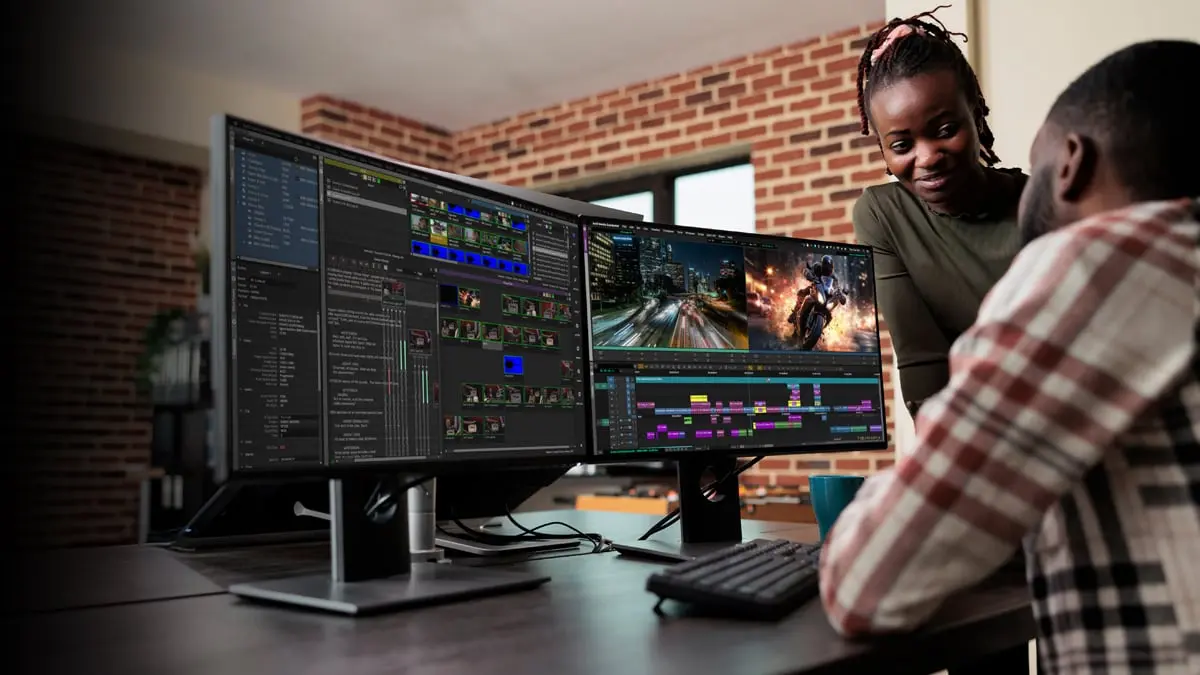
Wrong music doesn't just hurt one video. It compounds into invisible losses that drain your growth, credibility, and income over time. While you're focused on editing techniques and posting schedules, poor audio choices quietly signal to platforms and audiences that your content isn't worth promoting or trusting.
Lower Watch Time and Faster Scrolling
Viewers leave within three seconds if the audio doesn't capture their attention. The first moment of audio creates an expectation. If that expectation feels flat, generic, or mismatched to the visual, people scroll before they consciously register why.
Many creators blame poor performance on "the algorithm being broken." The algorithm isn't broken. It's responding to behavior patterns. When viewers consistently leave your videos early, the system learns that your content doesn't hold attention. Music is one of the strongest retention hooks because it triggers emotional responses faster than visuals alone.
Research on short-form video engagement shows that videos with strong audio hooks retain viewers up to 35% longer than silent or weak-audio clips. That difference isn't marginal. It's the gap between a video that gets recommended widely and one that dies in obscurity.
A cooking creator posts two nearly identical recipe videos. One uses flat background music from a royalty-free library. The other pairs the same footage with a trending upbeat sound already used in 2 million videos. The first gets 1,000 views. The second hit 18,000 views in the same timeframe. Same lighting, same cuts, same recipe. The only variable is strategic sound selection.
Losing Algorithm Trust Over Time
Your account stops getting recommended consistently when videos repeatedly underperform. This happens gradually, so most creators don't connect the pattern to music choices.
You post regularly. You improve lighting and transitions. You study successful creators in your niche. Yet your reach stays stagnant or declines. The platform has learned from months of engagement data that your content doesn't generate the watch time or interaction it prioritizes.
Platforms optimize for user retention. Every video you publish either strengthens or weakens the system's confidence in your content. When your audio strategy is weak, even genuinely good videos struggle to break through because your account has been deprioritized.
Two creators start posting fitness content in the same month. One consistently uses trending sounds and matches beats to movement. The other ignores audio trends, choosing random tracks based on personal preference. After three months, each video averages 50,000 views. The other struggles to reach 500. The gap isn't talent or equipment. It's a systematic sound strategy versus guesswork.
Missed Brand and Collaboration Opportunities
Brands scroll past your profile even when your follower count looks respectable. They're not just counting followers. They're evaluating engagement rates, content polish, and audience loyalty.
Music affects all three. Weak audio choices create an amateur impression, regardless of visual quality. Professional brands want to partner with creators who demonstrate consistent performance and audience connection. When your videos feel incomplete or mismatched due to poor audio quality, brands question whether their products will be represented effectively.
Influencer marketing reports show that brands prioritize creators with high engagement rates over raw follower numbers. A creator with 10,000 followers and 8% engagement gets more partnership offers than someone with 50,000 followers and 1% engagement. Music directly influences whether people comment, share, and save, which are the metrics brands actually care about.
Slower Monetization and Income Growth
Your content doesn't convert into money when the emotional connection is weak. You post frequently, but affiliate links get ignored. Sponsorship inquiries never arrive. Fan support remains nonexistent.
The hidden problem is that poor music choices prevent the emotional resonance that builds audience loyalty. People don't financially support creators they don't feel connected to. That connection forms through consistent emotional experiences, and music is the fastest way to create those experiences.
A lifestyle creator shifts from using generic background tracks to carefully selected trending sounds that match each video's mood. Within six weeks, engagement doubles. Brands start replying to outreach messages. Affiliate click-through rates improve by 40%. The content itself barely changed. The music strategy did.
Most creators assume income follows effort. They believe posting more will eventually lead to monetization. But volume without strategic sound selection just produces more content that doesn't connect. You're working harder while the real leverage point remains untouched.
Burnout and Creative Frustration
You start feeling exhausted, unmotivated, and ready to quit. The effort feels pointless because the results don't match the hours invested.
This emotional collapse happens when creators work hard on the wrong things. You spend hours perfecting cuts, color grading, and thumbnail designs while using whatever music feels convenient. The videos look polished but perform poorly. Over time, that disconnect between effort and outcome destroys motivation.
Creator economy surveys show that lack of engagement is a leading cause of content burnout. When creators don't see their work resonate, they interpret it as personal failure rather than strategic misalignment. The problem isn't your creativity or work ethic. It's that you've optimized everything except the element that most directly influences emotional response.
Many creators quit at this exact stage. They assume they're not talented enough or that the platform is oversaturated. In reality, they never treated music selection as a strategic workflow step. They approached it as an afterthought, then wondered why their carefully edited videos never gained traction.
Staying Stuck in "Beginner Mode"
Your videos look amateur even after months of practice. You've studied tutorials, upgraded equipment, and analyzed successful creators. Yet something still feels off.
Professional creators master sound early. They don't wait until they've "figured out" editing to focus on music. They understand that audio quality and strategic sound selection are what set polished content apart from beginner-level content, regardless of camera quality or editing software.
You remain invisible while others with less technical skill pass you because they prioritize the elements that platforms and audiences actually respond to. Visual polish matters, but only after the audio creates enough engagement for people to notice the visuals in the first place.
The belief that "good music takes talent, expensive tools, or industry access" feels reasonable. Professional editors talk about sound design in technical terms. Studio-quality music seems inaccessible. Many apps look complicated or require subscriptions.
That belief made sense five years ago. Today, free apps provide licensed music libraries. Trending sounds are publicly visible across all platforms. Tools like Crayo automate music pairing and beat syncing, treating sound selection as a strategic workflow step rather than an artistic challenge requiring expertise. When music alignment is systematized rather than guesswork, creators can focus on identifying viral moments rather than manually testing dozens of tracks.
You don't need studios anymore. You need the right system, applied consistently.
But knowing you need a better music strategy is only half the problem. The other half is finding sounds that won't bury or mute your content.
How to Find Viral Songs and Use Them Without Copyright Issues
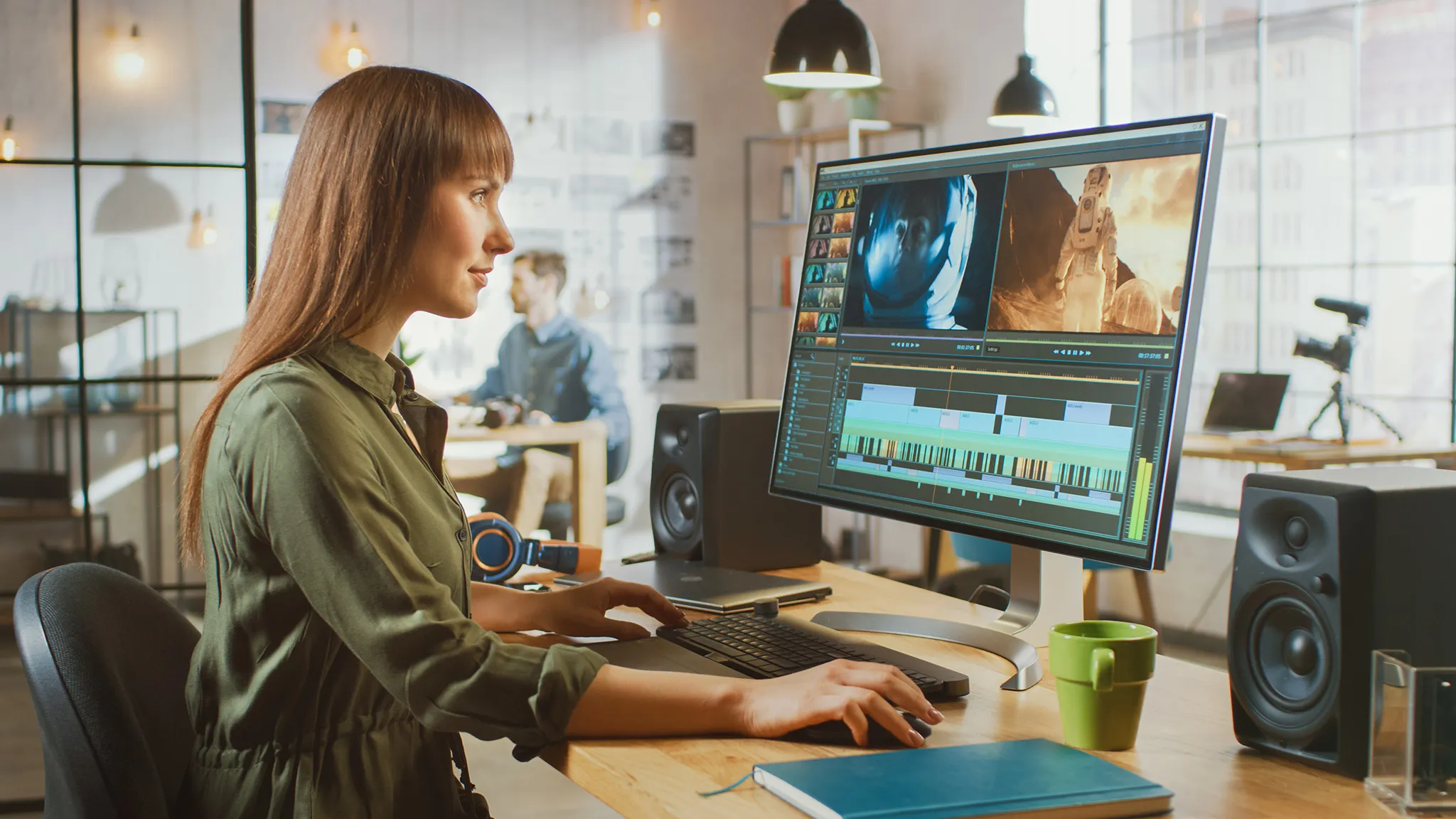
Ride trending sounds early, use platform-native discovery tools, and stick to royalty-free libraries when monetization matters. The fastest path to consistent reach isn't finding "good" music. It's about identifying tracks, building momentum before saturation sets in, and deploying them legally in accordance with each platform's rules.
Most creators waste hours searching randomly or recycling expired trends. The difference between 800 views and 80,000 often comes down to catching a sound between 10,000 and 100,000 uses, not after it peaks.
Use Platform Discovery Features First
TikTok, Instagram, and YouTube already surface what's working. Open TikTok's Discover tab, scroll to Trending Sounds, and filter by recent uploads. You'll see tracks with rising usage counts, not just total volume. That distinction matters. A song with 50,000 uses this week signals momentum. A song with 5 million uses from three months ago signals oversaturation.
Instagram Reels shows trending audio when you tap any popular video and click the sound name. You'll see how many creators used it recently and whether engagement is rising or leveling off. YouTube Shorts surfaces repeated sounds as you scroll. When the same track appears across three videos in 30 seconds, the algorithm is already pushing it.
These tools exist because platforms want you to use trending audio. It keeps users engaged longer, drives viral growth, and increases session duration. When you use what's already proven, you're aligning with the platform's incentive structure instead of fighting it.
Spot Rising Sounds Before Competition Intensifies
Early adoption separates creators who occasionally go viral from those who do it predictably. According to MeetEdgar's analysis, videos using trending sounds get 67% more views than those with random audio. That gap isn't marginal. It's the difference between building an audience and staying invisible.
Look for sounds with 5,000-50,000 uses. Below 5,000, the trend might not catch. Above 50,000, you're competing with thousands of other videos uploaded in the same window. TikTok Creative Center shows usage velocity, not just totals. A sound jumping from 8,000 to 25,000 uses in 48 hours will likely hit six figures within a week. That's your entry point.
Spotify Viral Charts and Apple Music trending lists reveal what's breaking into mainstream awareness before it saturates social platforms. A track climbing Spotify's Viral 50 will usually appear on TikTok within days. You can prepare content in advance and publish it as soon as the audio starts gaining traction on short-form platforms.
Match Audio to Emotional Intent
Trending doesn't mean appropriate. A viral sound built for comedy won't rescue a tutorial video, no matter how many millions of people used it elsewhere.
Ask one question before committing: "What should someone feel three seconds in?" If the answer is curiosity, pick something mysterious or a building. If it's excitement, choose high-energy beats. If it's calm focus, go minimal and rhythmic. The emotion you need dictates the sound, not the view count.
A productivity creator posted the same screen-recording tutorial twice. The first version used a trending aggressive trap beat because it had 2 million uses. The video felt chaotic. Viewers left within five seconds. The second version used a slower, more focused beat with only 40,000 uses, but it captured the right mood. Watch time doubled. Shares tripled. Same content, different emotional alignment.
Use Royalty-Free Music for Monetized Content
Trending sounds often block revenue. YouTube's Content ID system automatically detects copyrighted audio and restricts monetization, even if the video stays live. You've spent hours editing content that the platform will never fully promote or pay you for.
YouTube Audio Library, Epidemic Sound, Artlist, and Pixabay offer licensed tracks that won't trigger claims. These libraries won't make videos go viral through algorithmic momentum, but they protect revenue from long-form content, brand partnerships, and any content requiring commercial rights.
The split strategy works: trending sounds for discovery-focused Shorts and Reels, royalty-free music for monetized YouTube videos, and client work. You're not choosing between growth and income. You're using the right tool for each goal.
Platforms like Crayo automate this decision by matching trending sounds to short-form templates and offering royalty-cleared alternatives when monetization matters. Instead of manually researching, downloading, syncing, and testing, you can select from pre-matched options that already align with current platform behavior. The workflow reduces trial-and-error from 45 minutes to under 10 minutes through strategic selection.
Test Multiple Sounds on Identical Content
Same video, three different songs, posted as separate uploads. Track which version the algorithm favors.
Upload your best clip with three audio options across 24 hours. Version A might use a trending pop track. Version B uses a rising indie sound. Version C tries a royalty-free instrumental. One will outperform by 3x to 10x, and the data tells you what your specific audience responds to, not what worked for someone else's followers.
A travel creator tested this with beach sunset footage. Upbeat Afrobeat version hit 18,000 views. Chill lofi version got 3,200. The acoustic guitar version reached 900. Identical visuals, same caption, same posting time. The sound determines reach, and now that the creator knows which genre their audience prefers.
Build a Categorized Music Library
Searching for audio every time you edit kills momentum. Successful creators maintain organized sound banks, sorted by emotion and use case.
Create folders: "High Energy," "Calm Focus," "Suspense," "Humor," "Motivation." When you find a track that works, save it immediately with notes on what type of content it suited. Next time you need that vibe, you'll pull from proven options instead of starting from scratch.
This isn't about hoarding thousands of files. It's about having 15 to 20 reliable sounds per category that you've already tested and know perform well with your audience.
Follow Trend Aggregators and Curators
You don't need to spend an hour daily hunting sounds. Let others do the research, then act on their findings.
TikTok Creative Center updates trending sounds weekly. Reels-focused Instagram accounts curate popular audio. Creator newsletters, such as Later's social media updates, highlight emerging tracks. Following three to five of these sources gives you a steady stream of viable options without manual platform scrolling.
Set a 15-minute weekly routine: five minutes on TikTok trends, five on Instagram audio, five on YouTube Shorts patterns. Save anything with rising momentum. You're building a pipeline, not reacting at the last minute when you need to publish.
Avoid Copyright Traps
Downloading random MP3s from YouTube converters or using full commercial tracks without licenses can result in strikes. YouTube's Content ID handles over 98% of copyright claims automatically, meaning most penalties happen without human review or warning.
Never loop copyrighted music beyond platform-allowed durations. Never download audio from unofficial sources. Never assume "everyone else is doing it" means it's safe. Channels get demonetized or deleted months after uploading infringing content because rights holders file claims retroactively.
Use sounds directly from TikTok, Instagram, or YouTube's built-in libraries. Use licensed platforms for commercial work. If you're unsure whether a track is clear, it probably isn't.
Understand Platform-Specific Audio Rules
TikTok allows copyrighted music in-app because licensing deals cover user-generated content. YouTube doesn't have the same agreements. A sound that's fine on TikTok might trigger a claim on YouTube within minutes of upload.
Instagram Reels allows popular songs on personal accounts but restricts them on business profiles in some regions. YouTube Shorts allows trending sounds but limits monetization if the audio is copyrighted. Each platform has different rules, and assuming they're identical can reduce reach or lead to lost revenue.
Check each platform's creator guidelines before repurposing content across channels. What works on one might fail on another, not because of content quality but because of licensing restrictions you didn't know existed.
But knowing which songs to use matters only if you understand how to use them effectively in the video.
12 Best Songs to Make Your Videos Go Viral
The songs that make videos spread aren't random. They're tracks that elicit emotion within 3 seconds, align with platform momentum, and match specific content types. The best song for a tutorial kills engagement on a transformation video. The track that works for comedy content makes motivational clips feel awkward. Strategic selection means knowing which sound serves which outcome, then deploying it before saturation hits.
Below are 12 music categories proven to drive engagement across short-form platforms, along with when each works and why.
1. Lo-Fi Beats for Focus Content
Soft instrumental hip-hop with minimal percussion keeps viewers calm without demanding attention. Tutorial creators, productivity accounts, and study content channels use these tracks because they don't compete with voice-over or on-screen text. The music is set at 10-15% volume, creating an ambient atmosphere without distraction.
A coding tutorial creator tested this pattern. Version one used upbeat electronic music at 40% volume. Viewers reported that the audio was chaotic, making concentration more difficult. Version two used lo-fi beats at 12% volume. Average watch time increased by 28%, and completion rates improved. Same tutorial, different sound strategy.
Use this when your content requires sustained attention and the goal is comprehension, not excitement.
2. Cinematic Builds for Transformation Stories
Tracks that start quietly and build toward a dramatic drop create anticipation. Fitness transformations, before-and-after clips, and motivational content rely on this structure because the music mirrors the story's emotional arc. The quiet opening establishes a baseline. The rising tension builds expectation. The drop syncs with the reveal, creating emotional payoff.
Sync the biggest visual moment (the after photo, the final result, the completed project) to the exact beat where the music peaks. That alignment triggers a dopamine response in viewers, which increases shares and saves. According to engagement data from short-form platforms, videos with properly timed music drops receive 40% more shares than those with misaligned audio.
This works for any narrative with a clear progression: from struggle to success, from ordinary to extraordinary, from hidden to revealed.
3. Afrobeats for Lifestyle and Relatability
High-energy Afrobeats tracks dominate lifestyle, fashion, and daily vlog content because the rhythm feels celebratory without being aggressive. The tempo naturally matches walking pace, outfit transitions, and casual movement, making editing feel effortless. These sounds also carry cultural momentum. When a track trends within Afrobeats, it spreads across multiple creator niches simultaneously.
Match your cuts to the beat. Don't just layer the music underneath. If the bass hits every half second, your scene changes should too. That synchronization makes amateur footage feel professionally edited, even when shot on a phone in natural light.
Travel and food creators see consistent performance in this category because the sound signals energy and positivity, which align with the emotions those content types aim to evoke.
4. Trap and Drill for Intensity
Hard-hitting trap instrumentals with heavy bass and sharp hi-hats work for sports highlights, gym content, and hustle-focused videos. The aggression in the sound mirrors the activity's intensity. Every beat drop becomes an opportunity to showcase power: a dunk, a lift, a sprint finish.
Cut on every significant beat. If the track has four strong hits per measure, your video should have four distinct moments within that same timeframe. This creates a rhythm that feels instinctive to viewers. They don't consciously notice the editing, but they feel the energy.
A basketball highlight account tested two versions of the same dunk compilation. One used a mellow R&B track. The other used drill beats with cuts synced to bass drops. The second version received 6x more engagement and was repeatedly shared across team group chats. The footage was identical. The music determined whether it felt shareable.
5. Emotional Piano for Vulnerable Storytelling
Soft piano or acoustic guitar tracks lower defenses. Life story videos, personal confessions, and emotional moments need music that doesn't compete with the narrative. The sound should feel supportive, not performative.
Keep volume between 8 and 12%. The music exists to fill silence and create emotional texture, not to drive the mood. When someone shares something vulnerable, the audio should make room for their words, not overshadow them.
Creators who share mental health journeys, loss, or personal struggles consistently see higher comment engagement with this approach. The music signals that the content is safe to engage with emotionally, inviting viewers to share their own experiences.
6. Fast Pop for Comedy Timing
High-tempo pop songs with clear beat structures make comedy editing easier. Punchlines land harder when they sync with musical accents. Pranks, skits, and meme videos benefit from this because the music creates a rhythm that audiences subconsciously expect, then delivers surprise at the exact moment the beat resolves.
Test your joke timing against the track before finalizing. If the punchline happens between beats, it loses impact. Move the cut half a second earlier or later until the laugh moment aligns with a musical hit. That micro-adjustment often determines whether people replay the video.
Comedy accounts that master this pattern achieve 3x higher replay rates than those that treat music as background filler.
7. Trending TikTok Sounds for Algorithmic Momentum
Short viral audio clips between 5 and 15 seconds carry built-in distribution advantages. When you use a sound with 50,000 to 200,000 videos tagged, the platform recognizes the audio and surfaces your content to people who previously engaged with that sound.
Build your video concept around the sound, not the other way around. Listen to the track first, identify the emotional hook or lyrical moment, then design your visual to amplify that specific element. Creators who reverse-engineer content from trending sounds outperform those who try to force existing footage into popular audio.
One creator grew from 2,000 to 47,000 followers in six weeks by posting daily videos built entirely around trending sounds with fewer than 100,000 uses. No special equipment. No editing expertise. Just systematic sound selection and content designed to match.
8. EDM Drops for Visual Reveals
Electronic music with sudden drops creates "wow" moments. Room makeovers, outfit transformations, and product reveals use this structure because the audio builds anticipation, then the drop signals the payoff. The viewer's brain expects something significant at that moment, so the visual must deliver better.
The drop is your cue to switch scenes, reveal the final result, or show the transformation. If you place the reveal two seconds before or after the drop, the emotional impact weakens. Precision matters here more than in almost any other music category.
Interior design accounts see 50% higher savings rates when transformations sync perfectly with EDM drops compared to videos where timing is off by even one second.
9. Chill R&B for Relationship Content
Soft R&B instrumentals feel intimate without being overly romantic. Couple content, relationship advice, and personal lifestyle videos use these tracks because they create warmth without demanding attention. The music supports the mood but doesn't define it.
Blend the audio under dialogue at 15-20% volume. The goal is to make the video feel emotionally cohesive, not to showcase the song. Viewers should feel the vibe without consciously registering the music as a separate element.
Relationship creators report that this category generates more "couple goals" comments and saves than any other music type, likely because the sound reinforces the emotional connection viewers seek.
10. Copyright-Free Tracks for Monetization
YouTube Audio Library, Epidemic Sound, and Artlist provide licensed music that won't trigger Content ID claims. These tracks won't make videos go viral through algorithmic momentum, but they protect revenue on long-form content and client work.
Use these for anything you plan to monetize directly: YouTube videos over 60 seconds, brand partnerships, affiliate content, or sponsored posts. The tradeoff is reach for income protection. You're choosing financial security over viral potential, which makes sense when the video's purpose is conversion, not discovery.
Many creators run a split strategy. Trending sounds for Shorts and Reels aimed at growth. Copyright-free music for long-form YouTube content aimed at AdSense revenue. You're not picking one approach forever. You're matching the tool to the goal.
11. Throwback Songs for Nostalgia
Old-school hits and remixes trigger emotional memory. Childhood photos, decade retrospectives, and "remember when" content rely on this because the music does half the storytelling. When someone hears a song from their teenage years, they don't just remember the song. They remember the context: who they were, what mattered, how life felt.
Pair these tracks with captions that reinforce the emotion. The music creates the feeling. The text gives it language. Together, they make the video feel personally meaningful, which drives saves and shares.
Nostalgic content consistently generates high save rates because people return to it to relive a specific emotion. The music becomes the emotional bookmark.
12. Crayo Templates for Speed and Consistency
Platforms like Crayo treat music pairing as a workflow step, not a creative decision requiring hours of testing. Built-in templates automatically match trending sounds to video structures, so creators can focus on finding viral moments rather than manually syncing beats to cuts. The system handles audio selection, beat alignment, and platform-specific formatting in under 10 minutes.
Beginners and daily posters use this approach because it removes the research phase entirely. No searching for sounds. No testing three versions to see which performs better. The template already reflects what's working across millions of videos. You're deploying proven patterns instead of guessing.
One creator shifted from spending 45 minutes per video searching for music and syncing cuts to using pre-matched templates. Output increased from three videos per week to two per day. Engagement didn't drop. It improved because the music choices reflected current platform behavior instead of personal preference.
But knowing which type of music works only matters if you understand how to make it amplify the content itself.
Related Reading
- Video Editing Workflow Checklist
- PC Specs for Video Editing
- How To Start Editing Videos
- How To Practice Video Editing
- Mac Vs Pc For Video Editing
- How To Make A Video Editing Portfolio
- Video Editing Tips And Tricks
- How To Make Money Video Editing
- Best Free Video Editing Apps For Android
- How To Organize Video Files For Editing
- How To Edit Video In Google Drive
- Creative Video Editing Techniques
Turn Viral Songs into High-Engagement Videos with Crayo
Finding good songs is not enough. What makes videos go viral is how well your clips match the music, the beat drops, transitions, and timing. Most people fail here. They use trending songs but don't sync their videos properly. Crayo fixes this automatically.
Why Most People Waste Good Songs
When you manually use music, you select a trending song, upload it, and then realize your clips don't match the beat. The drop feels weak. Viewers scroll. So even with good music, the video fails.
With Crayo, music is already built into templates. Beats are mapped. Transitions follow rhythm. Clips sync automatically. Result: The song actually works for you.
Step-by-Step: Use Viral Songs with Crayo (Do This Now)
Start by checking TikTok's trending sounds or Instagram Reels music tab. Save two or three songs. This takes five minutes.
Inside Crayo, choose "Short Video" and filter by trending, pop, Afrobeat, hip-hop, or chill. Pick a template that already matches your song style. This saves you from guessing.
Add your videos. Drop them into the slots. No cutting needed. Crayo already knows where the beats hit.
Click "Sync" or "Generate." Crayo will match clips to beat drops, align transitions to rhythm, and adjust pacing. This is what makes videos feel professional.
Choose format, export, and post. No resizing. No watermark stress. No copyright worries.
Example: Same Song, Different Results
Two creators use the same trending song. Creator A cuts randomly with no timing. 300 views. Creator B uses Crayo, with beat drops matched and clean transitions. 15,000+ views. Same song. Different execution.
What You Get When You Use Crayo for Music-Based Videos
After one session, you'll have videos synced to trending songs, strong beat drops, better watch time, more saves and shares, and a higher chance of virality. Music becomes your advantage.
30-Minute Music-to-Video Checklist
Find one trending song. Open Crayo. Pick ma atching template. Upload clips. Auto-sync. Export. Post. One video done.
If you already know which songs are trending, the next step is to use them effectively. Open Crayo, select a music-based template, upload your clips, and let it sync everything for you. In under 30 minutes, you can turn a trending song into a high-quality video that people actually watch, save, and share.
Related Reading
- Best Drone Video Editing Software
- Best Video Editing Software For Music Videos
- Best Video Editing Software For Sports Highlights
- Best Video Editing Software For Content Creators
- Best Video Editing App For Pc
- Best Paid Video Editing Software
- Best App for Video Editing on iPad
- Best Video Editing Software For Vlogging
- Autopod Alternative