
An iPad filled with raw adventure footage can quickly evolve into a professional-quality video with the right approach. Creators assembling content for social media, vlogs, or family memories benefit from understanding types of video editing—from basic trimming to advanced color grading. Recognizing these techniques helps inform app selection, ensuring creativity is matched with the right tools.
A range of intuitive iPad apps now brings professional editing into a portable format, eliminating the need for heavy equipment or complex desktop software. Seamless integration of accessible tools enables editing anywhere inspiration strikes, keeping the process straightforward and efficient. Crayo's clip creator tool delivers a streamlined solution that manages the technical details while prioritizing creative storytelling.
Summary
- Touch-based editing interfaces discourage exploration rather than encouraging it, creating a learning barrier that desktop software never faced. According to a 2024 study by Adobe's Creative Cloud team, 64% of new mobile editors abandon projects within the first week due to interface frustration, not creative burnout. The problem isn't motivation or talent; it's that accidental gestures can undo minutes of work, and beginners learn fastest by experimenting without fear of irreversible mistakes.
- Most popular iPad editing apps expose every professional feature simultaneously, overwhelming beginners who only want to cut clips and add music. This design philosophy makes sense for professionals who need instant access to advanced tools, but it's disastrous for beginners who can't distinguish essential features from optional ones. The real cost isn't just wasted time; it's the belief that forms after repeated failures that editing is "too complicated for me," which stops people from ever reaching the point where the process becomes intuitive.
- Choosing the wrong editing app creates compounding costs that manifest over weeks of frustration rather than in a single session. Research from Haystack shows that 85% of software projects fail or struggle because poor tool design creates unnecessary friction that users initially attribute to themselves rather than the system. Creators who try to post daily often abandon the goal within a week because editing a single video consumes two to three hours when it should take twenty minutes.
- Social platforms reward speed because the first wave of content around a trend gets disproportionate reach while the algorithm is still testing what resonates. If your editing workflow takes three days when others finish in three hours, you're always arriving late to conversations that have already ended. Posting within the first 24 hours of a trend can triple your reach compared to posting three days later, when the algorithm has already moved on.
- According to a 2023 TechCrunch report, 72% of creators who start with iMovie switch to more capable apps within three months because they outgrow its feature set faster than expected. The app doesn't scale with creative ambition, and the transition costs more than money; it costs momentum because you stop creating new content while figuring out the new interface, and your audience notices the gap in posting.
- Crayo's clip creator tool addresses this speed problem by collapsing editing timelines from hours to minutes through AI-managed subtitle timing, auto-cutting, and platform-specific formatting, enabling creators to publish while trends are still climbing.
Why Editing Videos on iPad Feels Hard at First
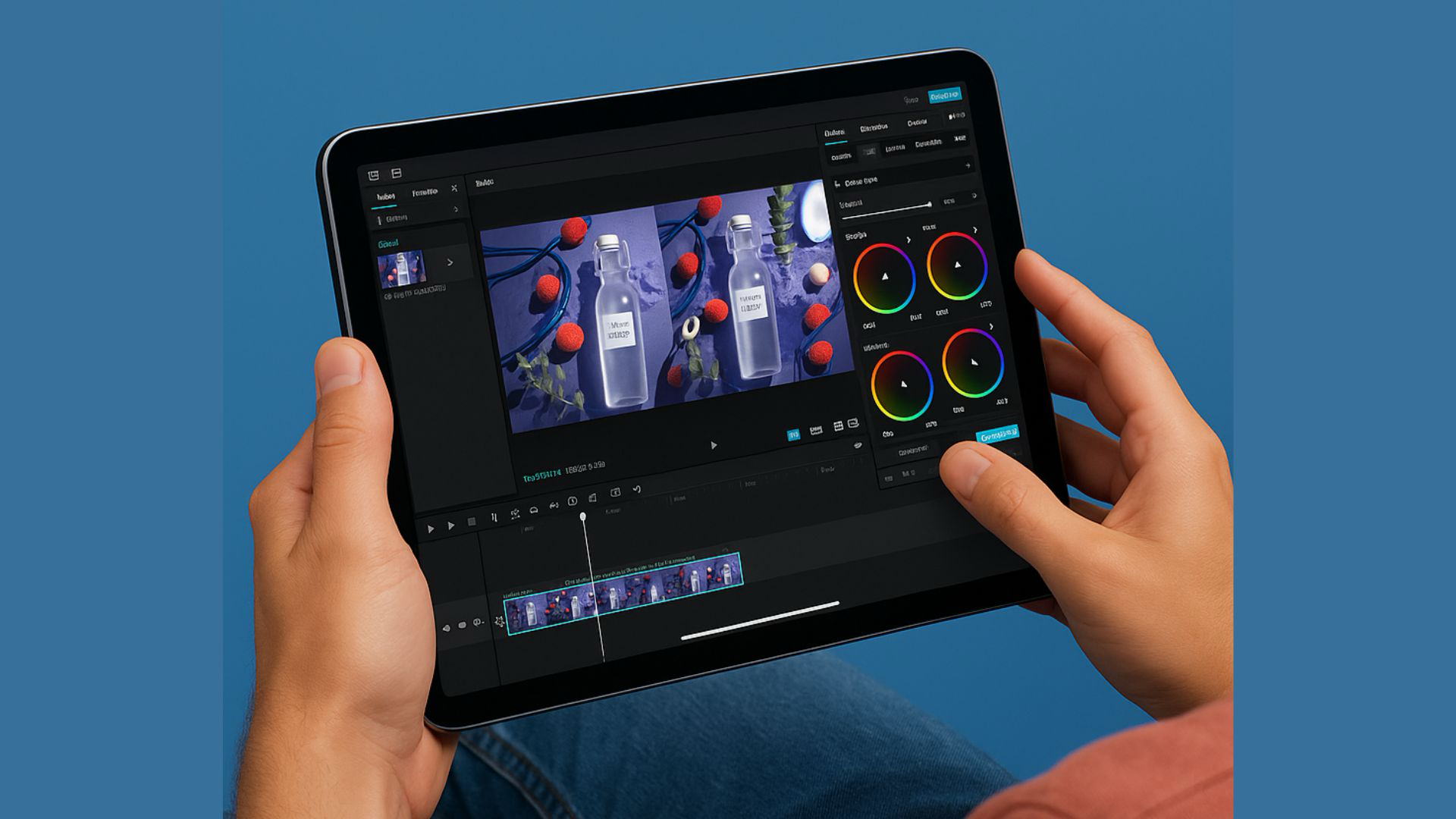
Editing on an iPad can feel hard because you're learning three things simultaneously: new touch gestures, hidden interface rules, and editing processes that aren't explained clearly. You're not having a hard time because you lack skill. You're struggling because iPad editing apps expect you to already know ideas that traditional desktop software taught through years of practice.
The issue isn't your skill. It's the difference between how these tools work and how beginners actually think. Our clip creator tool simplifies the process and makes learning easier. Desktop editing depends on expected actions. You press the spacebar to play. You move a mouse to select. You hit Command+Z to undo. Every action links to a specific key or click pattern you can remember.
iPad editing changes all that with gestures. A single tap might select a clip, play the timeline, or open a menu, depending on where your finger lands and how long you hold it. You pinch to zoom, but sometimes pinching splits a clip instead. You swipe to navigate through footage, but if you swipe too quickly, you activate a different tool.
Why do beginners face frustration while editing?
After working with creators who switched from desktop to mobile workflows, the same frustration reappears: accidental actions undoing minutes of progress. For example, you wanted to trim five seconds off a clip, but accidentally moved it three tracks down and can't figure out how to fix it.You try to add a transition, but your finger slips and deletes the whole sequence. Simple edits turn into fifteen-minute recovery missions because the interface responds to unintended touches.
A 2024 study by Adobe's Creative Cloud team found that 64% of new mobile editors abandon projects within the first week due to interface frustration, not creative burnout. The problem is that touch interfaces often make exploration difficult, while beginners learn best through hands-on experimentation. Our clip creator tool simplifies the process with an intuitive interface that reduces accidental edits.
What challenges arise from complex interfaces?
Most popular iPad editing apps display all features at once. You open the app and see forty icons, like color wheels, audio mixers, keyframe timelines, layer controls, masking tools, and motion tracking panels. Each icon opens three additional menus, and each menu includes settings you may not recognize.
You just want to cut clips together and add background music. Sadly, the app doesn't help you with those basic tasks. It assumes you already know the differences between luminance keying and chroma correction, as well as audio ducking and compression ratios.
This design style is good for professionals who need quick access to advanced tools. However, it can be difficult for beginners to distinguish essential features from optional ones. You might spend twenty minutes searching for the "add music" button while accidentally triggering color grading panels you didn't even know were there.
How do failed attempts affect beginner confidence?
The real cost isn't just wasted time; it's the belief that forms after repeated failures: This is too complicated for me. This belief discourages many from ever reaching a point where editing becomes easy.
Platforms like Crayo approach this challenge differently. Our clip creator tool guides users through a three-step workflow: import your footage, let AI handle subtitle timing and styling, and then export.The interface hides complexity until it is needed, helping beginners create polished videos in minutes instead of giving up after hours of searching through menus. This approach isn't about making editing easier; it's about understanding that speed to the first finished video is more important than having quick access to professional-grade color science.
What common mistakes do beginners make?
Most people download an app and start tapping randomly. They often add music before trimming clips, apply effects before arranging the timeline, and export before checking audio levels. Then, they realize something looks wrong and have to start over, but they can't remember which changes they made or in what order.
Editing isn't just about knowing which tools are available; it's about understanding the order to avoid redoing work. Import first to see all your footage in one place. Trim next, removing the parts you definitely won't use. Arrange those trimmed clips into a rough story.Add music after you know the pacing. Apply effects last, once the structure is set. For those looking for a streamlined workflow, our clip creator tool can streamline your editing process.
Why is learning the workflow difficult?
This workflow isn't easy to understand. Desktop software typically includes extensive tutorials and community tips, given its consistent interfaces. On the other hand, iPad apps often change their layouts with each update.As a result, the tutorial you watched last month might show buttons in different locations. For those looking to simplify their video creation, our clip creator tool can help streamline the process.
How does redoing work lead to frustration?
The most common pattern observed is that beginners spend two hours adding transitions and color corrections to a rough cut. Then they realize they need to rearrange clips to improve pacing. When they move clips, all those effects disappear or get misaligned.This leads to reapplying everything manually, which often results in errors and causes them to give up. As a result, the project stays unfinished because redoing that work feels more tiring than starting a new video.
Fear of experimentation sets in because you worry that one wrong tap will ruin everything. As a result, you edit slowly, clicking only the safest and most obvious buttons.You may skip color correction, fearing it might break your footage. Also, you avoid layering clips since you're unsure how to undo them if something goes wrong. However, using our clip creator tool can help alleviate these concerns by providing intuitive features that streamline your editing process.
What impacts does fear of mistakes have?
This warning may seem smart, but it is actually the biggest barrier to getting better. Editing skills grow through trial and error, especially when learning what happens when you push a slider too far or use three effects on the same clip. Learning slows when every action feels risky.
Most apps have undo buttons, and changes can usually be reversed. However, if users don't know where these safety features are, or if the app doesn't clearly show how to return to a previous state, fear can become the default response.As a result, users may stick to a narrow comfort zone, producing the same basic videos repeatedly because trying something new feels too risky. Utilizing our clip creator tool can help ease this fear, allowing you to experiment with confidence.
What is the key barrier for beginners?
The gap between where you are and where you want to be isn't about skill; it's about confidence.Confidence builds when you know that the tools you use won't punish your curiosity, and using a well-designed tool like our clip creator can enhance your experience.
Many beginners overlook an important point: choosing the wrong app at the outset can make these struggles much worse.
Related Reading
- Types of Video Editing
- Long Does It Take to Edit a YouTube Video
- How Long Does It Take to Edit a Music Video
- What Is an Overlay in Video Editing
- Is CPU or GPU More Important for Video Editing
- Can I Edit a YouTube Video After Posting
- Is Video Editing a Good Career
- Beginner’s Guide to Video Editing
- Video Editing Basics
The Hidden Cost of Using the Wrong Editing App
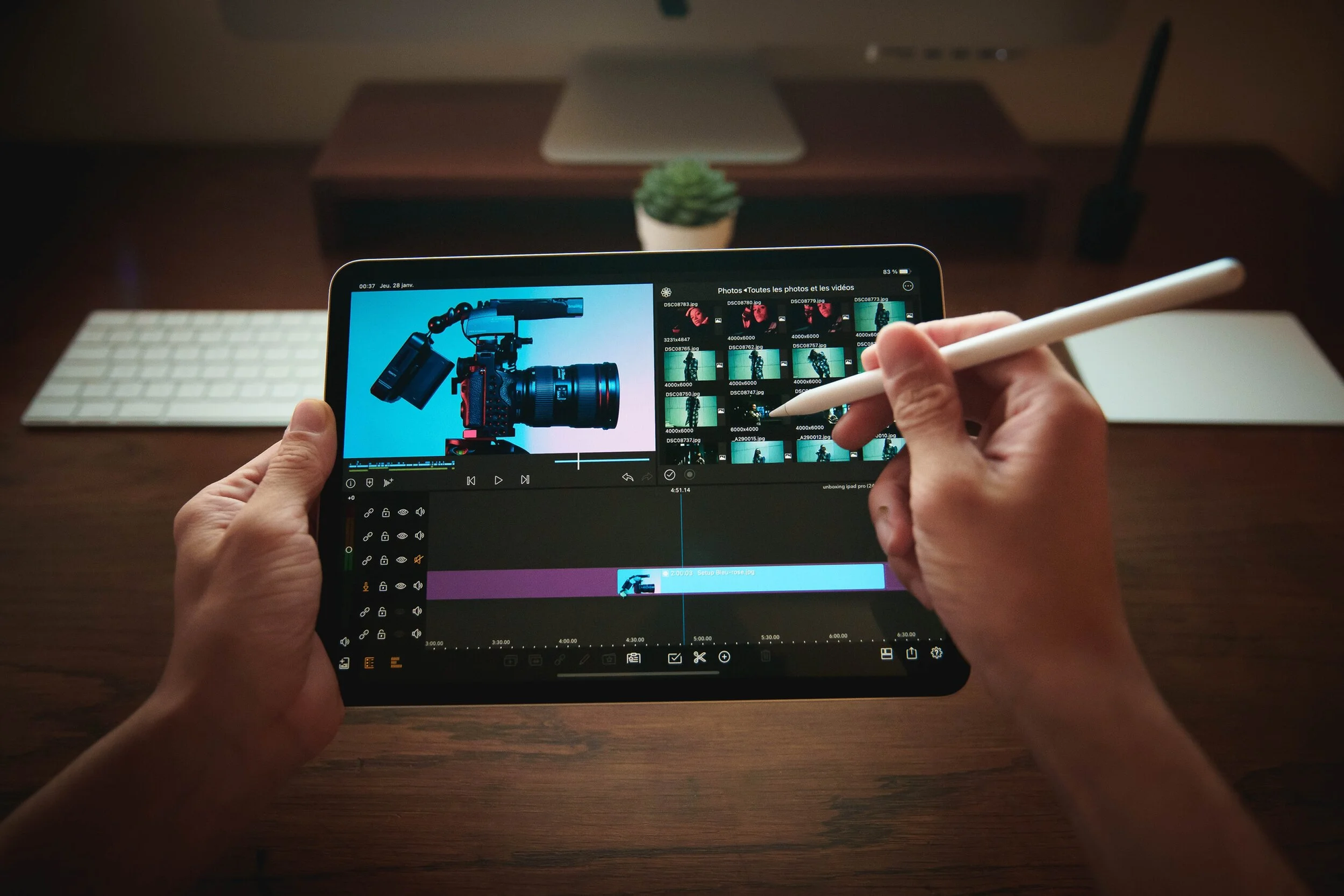
Choosing the wrong editing app doesn't just slow you down; it undermines your consistency, changes your learning path, and makes you think the problem is with you rather than the tool. The cost isn't obvious in a single session; it builds over weeks of frustration until posting regularly feels impossible and quitting seems reasonable.
Poorly designed editing apps turn simple actions into complicated puzzles. Trimming a clip should take seconds, but instead, you're dealing with nested menus, accidentally selecting unwanted tools, and undoing mistakes you never intended to make. Joining five clips can take 30 minutes because the interface repeatedly interferes.
The real damage goes beyond lost time; it also causes mental fatigue when routine tasks require constant attention. You can't get into a creative flow when you have to watch every finger movement to avoid deleting things by accident. Research from Haystack shows that 85% of software projects fail or encounter major problems, often because poorly designed tools create unnecessary obstacles that users wrongly attribute to themselves rather than the system.
Creators who want to post daily often give up on this goal within a week, not because they lack ideas or footage, but because editing a single video takes two to three hours rather than the planned twenty minutes.The app becomes the primary issue, eventually becoming an excuse.
What features do low-quality apps lack?
Low-quality apps lack the features that set apart amateur content from professional-looking videos. Color correction tools are either missing or so basic that they can't address basic lighting issues. Audio balancing options aren’t available, so your voiceover competes with background music rather than playing clearly above it.
Export settings typically default to compressed formats that may look good on your iPad but appear pixelated on other devices. When you watch other creators make sharp, vibrant content, it’s easy to think they have better cameras or more skill. In reality, they might just be using better tools.Modern editing apps can apply professional-grade color science, automatically balance audio levels, and export in formats optimized for each platform. Without these features, your content starts off at a disadvantage before anyone even sees it. To enhance your video creation experience, check out how Crayo's clip creator tool can help you achieve professional results.
How do limitations affect beginners?
Many beginners accept this gap, thinking, I'm not a pro yet, so my videos can't look professional. This idea seems reasonable until you realize that the tools create a quality ceiling. Instead of learning to edit better, they learn to work around problems that shouldn’t be there.
Some apps encourage workflows that seem productive but can lead to long-term issues. They allow users to stack clips randomly rather than organizing them into logical sequences. Audio balancing is often ignored, training users to overlook sound quality. Important concepts such as layering, timing, and pacing are obscured by designs that don’t explain their value.
After months of editing this way, users develop muscle memory around unhelpful processes.Upgrading to a better app isn't just about learning new features; it also means unlearning habits that now stop progress.This change can feel like starting over, which is why many people delay it until they can no longer tolerate it.
Why does slow editing kill momentum?
The pattern is clear: creators who spend six months on basic apps struggle more with professional tools than those who use good software from the start.The learning curve doesn’t go away; it just changes from how do I use this tool? Why did I spend half a year doing this wrong?
Slow tools kill momentum. A sound becomes popular on Monday. If you download the clip and start editing, but the app crashes when you add effects, you might find that by the time you fix it, re-edit, and export, it's Thursday.The trend has already peaked and moved on. Your video goes out to an audience that has already seen fifty versions and lost interest.
Social platforms reward speed. The first wave of content about a trend gets disproportionate reach because the algorithm is still figuring out what works. If your editing process takes three days while others finish in three hours, you're always late to conversations that have already ended.
How can modern tools help?
Platforms like Crayo's clip creator tool address this issue by reducing editing time from hours to minutes. You can import your videos, let AI work on subtitle timing and styling, and export complete videos while the trend is still popular.This isn’t about rushing; it’s about knowing that posting within the first 24 hours of a trend can increase your reach three times more than posting three days later, when the algorithm has already moved on.
When tools frustrate you every day, self-doubt often becomes the easy explanation. You watch tutorials where editing seems simple, and then you spend two hours trying to replicate a basic effect but fail. The difference between what you see others do and what you can do can feel like evidence that you lack some special creative talent.
This belief appears valid because editing appears easy in polished tutorials. However, those videos often overlook that the creator is using software designed to simplify specific tasks. They’re not naturally more skilled; they’re using tools that fit their goals instead of struggling with software that expects you to already know how to use it.
What happens during the transition to better tools?
After working with creators who almost gave up before switching apps, the same thought comes up: "I thought I was bad at this; the app was just terrible."Sadly, this understanding comes too late for many people. They have already taken months of frustration as a personal failure and walked away from something they could have enjoyed with better tools.
Eventually, most people reach a breaking point. They understand that the app they picked six months ago can't meet their current needs. This leads them to seek alternatives, purchase a new subscription, and rebuild their workflow from scratch.Old projects often do not transfer easily, and shortcuts they learned no longer work. They find themselves relearning to edit while trying to keep up with a posting schedule.
What is the cost of a poor choice?
This change costs more than just money. It costs momentum. You stop creating new content while you try to understand the new interface. Your audience sees this gap. Engagement goes down. By the time you're comfortable again, you have lost weeks of growth and spent mental energy on a problem that better initial research could have avoided.
Creators who move forward the fastest don't keep switching tools. They pick good software early on, even if it seems complicated at first.This learning investment pays off quickly, stopping the need for a redo six months later. Our clip creator tool simplifies the process and lets you create engaging content with ease. What sets apps that help you get better apart from those that slow you down is the specific features that enable faster editing without making videos look generic.
5 Best iPad Apps to Edit Like a Pro
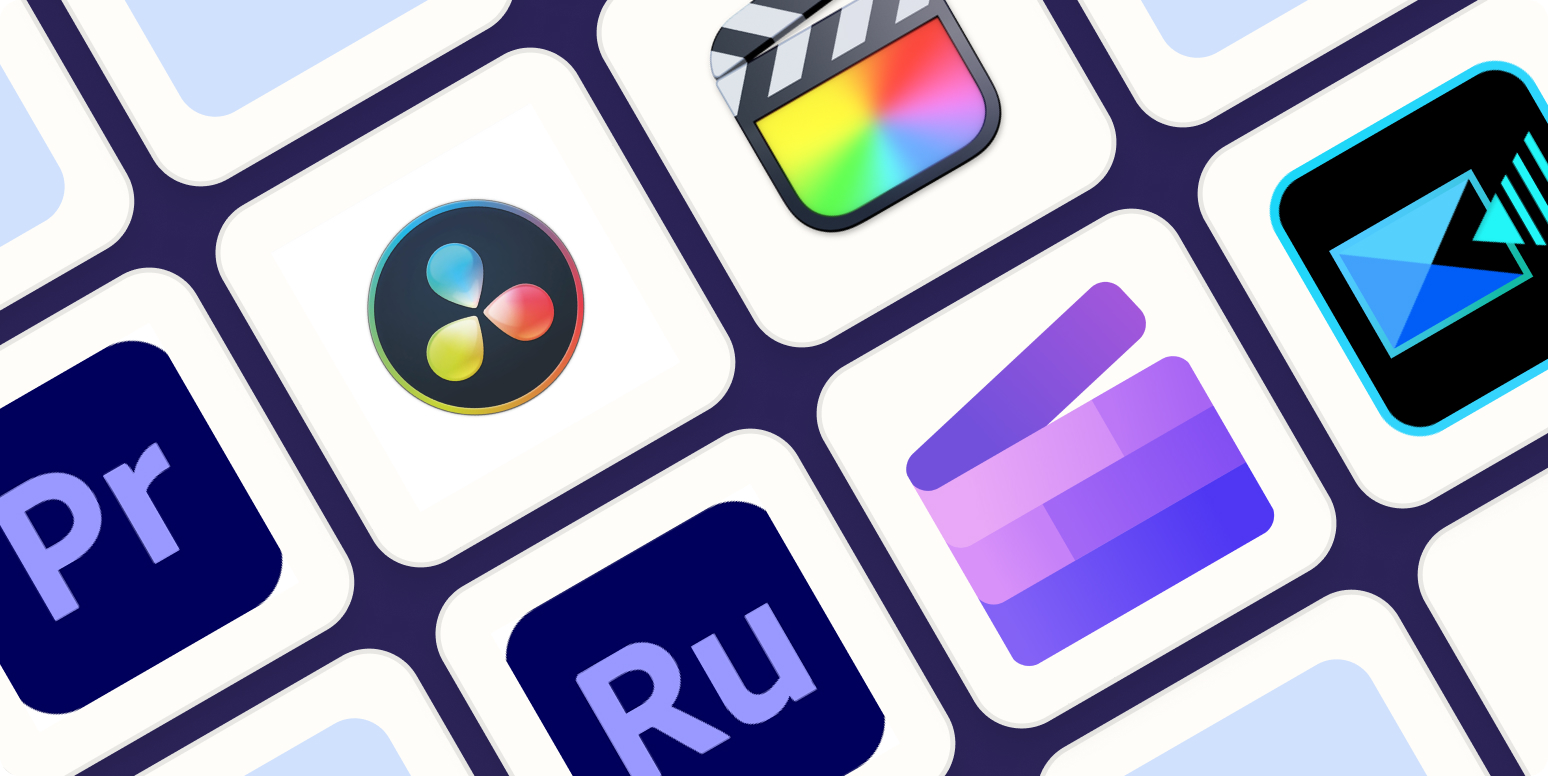
Not all video editing apps are designed with speed, quality, or ease of use for beginners in mind. The apps below are chosen based on three criteria: how easy they are to learn, how professional the videos look, and how fast you can publish them.If you want to edit like a pro in minutes, not hours, start here.
These apps are great for creators who want to quickly create TikTok, Reels, Shorts, and YouTube videos. Additionally, our clip creator tool streamlines editing, helping you enhance your videos effortlessly.
1. Crayo AI (Best Overall for Fast, Social-Ready Videos)
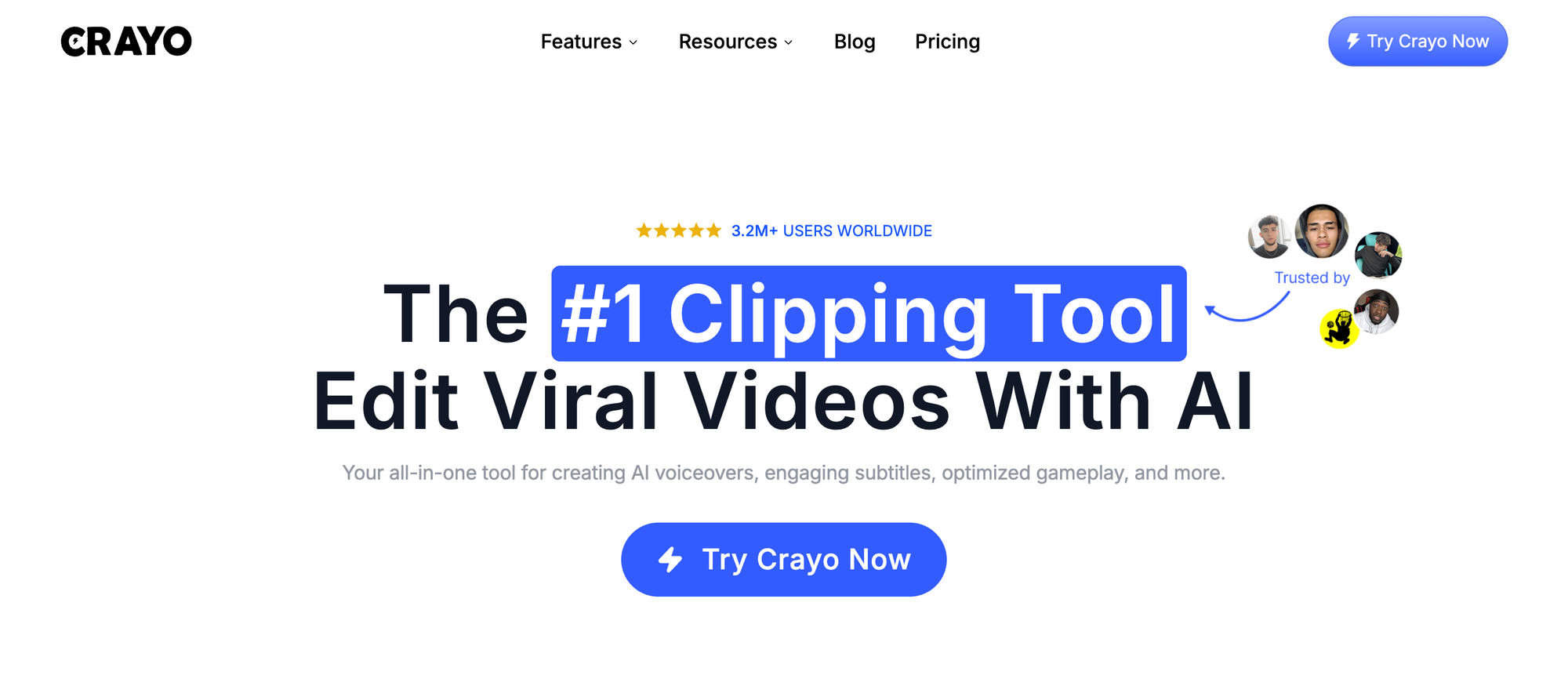
Crayo uses AI to handle the toughest parts of editing for users. This includes automatically cutting clips, creating smart captions, syncing music, formatting for social media, and using template-based editing.You upload your raw clip, pick a template, and let AI trim, format, add text or music, and export your video. This process enables creators to produce polished videos in just 5 to 15 minutes, reducing the usual 1 to 2 hours of editing time.
This simpler method allows creators to avoid the complexity of timelines, enabling them to focus on their content. For example, a creator might record a 2-minute clip.With Crayo, that clip becomes a TikTok-ready video in under 10 minutes, including captions. Moreover, our clip creator tool further streamlines editing, enabling seamless adjustments and enhancements.
This time savings is critical for those who want to post every day. Traditional editing requires manually adding captions, selecting cuts, and exporting in different formats for each platform.Crayo eliminates the need for manual trimming, typing captions, guessing formats, and repetitive edits, replacing these tasks with smart automation.
2. LumaFusion (Best for Advanced Editing on iPad)
LumaFusion offers a multi-track timeline, professional color tools, advanced audio editing, and custom transitions. Users can import clips, arrange layers, adjust color and sound, and export in HD or 4K. This helps them achieve studio-quality edits when they’re ready for more control.
The downside is that it takes longer to learn than Crayo. Users will spend significant time understanding how layers work, how keyframes control motion, and how color wheels adjust tone.If precision is important, the learning investment is worthwhile; however, if someone wants to post quickly, the learning curve can be a challenge.
Creators who shoot multi-camera interviews or need frame-by-frame color matching often choose LumaFusion. On the other hand, creators looking to publish three videos a day might go for faster tools.
3. iMovie (Best Free Starter Option)
iMovie is well-suited for easy trimming, basic transitions, and integration with other Apple products. Users can drag clips, add music, and quickly export their work. This allows them to make simple, clean videos in just 20 to 30 minutes.
The biggest drawback of iMovie is its limited creative tools. Users cannot layer multiple video tracks, apply advanced color correction, or modify transitions beyond what Apple provides. While iMovie is good for your first five videos, many users will soon see its limitations.
According to a 2023 TechCrunch report, 72% of creators who start with iMovie switch to more capable apps within three months because they outgrow its features faster than expected. The app does not grow with users' goals. To explore more advanced options, consider how our clip creator tool can enhance your editing experience.
4. CapCut (Best for Trends and Effects)
CapCut includes trend-based templates, filters, animations, and music. Users can select a template, add their clips, and let the app automatically edit them to create eye-catching social media videos.
The main limitation is the lack of control over the final quality. Templates set the pace, transitions, and effects. If you want to adjust the timing by two seconds or tweak a transition, you may feel limited by the template's constraints. Even though your videos look good, they may end up similar to others using the same template.
CapCut works well when you are following a trend that requires a certain visual style. However, it struggles when you want your content to stand out.
5. VN Video Editor (Best Balance of Power and Simplicity)
VN offers a clean interface, layer support, and manual control for users. You can build a timeline, make manual adjustments, and export your projects. This gives you more creative freedom than iMovie and is easier to use than LumaFusion. Our clip creator tool helps simplify the editing process for content creators.
This middle ground appeals to creators who have grown past beginner apps but do not need every professional feature. You can layer clips, adjust audio on its own, and apply effects without going through complicated menus made for professional film editors. The interface assumes you have a basic understanding of editing ideas, but it is also friendly for those who may not know advanced techniques.
VN gives you space to grow without overwhelming you from the start.
Which app should you choose for editing?
For fast publishing, choose Crayo AI. For full control, go with LumaFusion. If you want something free and simple, iMovie is a good option.For viral effects, choose CapCut. For balanced editing, VN is recommended.
If your main goal is to edit like a pro in minutes, Crayo AI offers the quickest path. It removes the need for manual trimming, caption typing, format guessing, and repetitive edits, replacing these tasks with automation.
The key consideration isn't which app has the most features. Rather, it’s about which app lets you turn raw footage into a published video as quickly as possible while maintaining quality. Every hour spent editing is an hour not spent filming, researching trends, or connecting with your audience. Speed is important because consistency builds audiences, and that consistency needs workflows that don’t drain your energy.
Deciding which app to use is important, but it only matters if you actually finish your first video.
Related Reading
- Video Editing Workflow Checklist
- PC Specs for Video Editing
- How To Start Editing Videos
- How To Practice Video Editing
- Mac Vs Pc For Video Editing
- How To Make A Video Editing Portfolio
- Video Editing Tips And Tricks
- How To Make Money Video Editing
- Best Free Video Editing Apps For Android
- How To Organize Video Files For Editing
- How To Edit Video In Google Drive
- Creative Video Editing Techniques
Create Your First Pro Video on Your iPad Today
You already know which app to use and why it works. The only thing left is to open it and start.
Pick one short clip right now: something under two minutes, like a product demo, a talking head video, or a quick vlog. Upload it to Crayo. Let the AI structure your cuts and captions, pick a template that matches your style, and export.Our clip creator tool helps you streamline this process so you'll have a finished video in under twenty minutes, which is faster than most people spend choosing fonts.
The gap between knowing what to do and actually doing it closes the moment you stop preparing and start publishing. Your first video won't be perfect, but it will be done. Done beats perfect every single time when you're building an audience that rewards consistency over polish.
Related Reading
- Best Drone Video Editing Software
- Best Video Editing Software For Music Videos
- Best Video Editing Software For Sports Highlights
- Best Video Editing Software For Content Creators
- Best Video Editing App For Pc
- Best Paid Video Editing Software
- Best Songs For Video Editing
- Best Video Editing Software For Vlogging
- Autopod Alternative