
Creating compelling videos often means overcoming the challenge of a monotonous voiceover, despite perfecting the visuals through various video editing techniques. Even carefully timed cuts can lose impact if the narration fails to engage. Advanced Best AI Voice Generator App now offer a fast, efficient way to transform amateur recordings into vibrant, professional voices.
Automated voice synthesis allows creators to fine-tune tone and pacing while maintaining production quality. Real-time previews and audio customization simplify the editing process, reducing both time and cost. This efficiency is embodied by the clip creator tool, which combines text-to-speech and editing features to deliver professional narration effortlessly.
Summary
- AI voice generation is now serving over 200,000 active users in 2025, according to Wondercraft's content creation report, marking a widespread shift away from manual recording. The technology removes the technical and emotional barriers that keep creators from publishing consistently, compressing workflows that once took 45 minutes down to under 10 minutes per video.
- Poor audio quality drives 90% of listeners away from podcasts, according to Big Tent Media research; the same applies to video content. Viewers forgive low video quality more quickly than poor audio, and when audio is off, viewers click away within the first 10 seconds, regardless of how strong the content is. Platforms notice these early exits and reduce reach accordingly.
- Creators spend 35 to 40% of their editing time fixing audio problems rather than improving content quality. The workflow fractures across multiple apps (one for recording, another for editing, a third for exporting), and each step introduces friction that turns a five-minute task into an hour-long process. This time drain directly reduces upload frequency, which platforms punish with lower algorithmic visibility.
- Modern AI voice systems use neural speech models trained on thousands of real voices and achieve over 90% listener acceptance in blind tests. Most viewers cannot distinguish between AI-generated narration and human voice actors, meaning the quality barrier that once required studios and expensive equipment has effectively disappeared for most content types.
- All-in-one platforms that combine voice generation with video editing eliminate the need to switch between apps and perform manual sync adjustments. When creators use separate tools for writing, voice generation, editing, and timing, the fractured workflow adds 30 to 50 minutes per video compared to integrated systems that handle narration and visual sync in a single process.
- Crayo's clip creator tool addresses this by integrating AI voice generation directly into the video editing workflow, allowing creators to paste scripts, generate natural-sounding voiceovers, and sync them to footage without switching between apps or manually adjusting timing.
Why Creating Voiceovers Still Slows Down Most Creators.

Creating voiceovers can still be a tedious task for many creators. They often find themselves spending too much time on each recording instead of focusing on other aspects of their projects. It’s essential to use tools that streamline this process, allowing creators to produce high-quality content efficiently. Our clip creator tool simplifies editing and production, so you can spend more time on creativity and less on technical difficulties.
Most creators struggle to produce professional voiceovers because they rely on slow, inconsistent, and hard-to-control manual recording methods. Without the right tools, achieving clear, confident audio is one of the biggest challenges when finishing high-quality videos quickly.Good visuals aren’t enough; if the voice sounds weak, noisy, rushed, or unclear, the whole video feels unprofessional, no matter how good the editing is.
Many creators try to record voiceovers using their phone's microphone, a laptop microphone, or a cheap headset. It seems easy at first: just press record, talk, and upload. But background noise often sneaks into the recording, making your voice sound flat or tired.Mispronounced words can erode confidence, leading to frequent restarts. A short script can quickly turn into 30 to 60 minutes of repeated takes.
As a result, instead of finishing videos faster, creators end up stuck trying to get the audio just right and lose their flow.A process that should take five minutes can take an hour, and frustration builds with each failed attempt.
Relying on manual voice recording not only wastes time but also quietly holds you back, lowers content quality, and makes it hard to post regularly. Over time, these problems lead to fewer views, less engagement, and lost opportunities. Many creators trick themselves into thinking they’re doing fine with basic recording; in reality, they are paying a high hidden cost.
Every video requires multiple takes, noise removal, cutouts of mistakes, and volume adjustments. Individually, these steps seem small, but together they add up quickly. Creators spend up to 35–40% of their editing time fixing audio problems instead of improving content quality. The time that should be used to create more videos gets wasted on fixing things.
The workflow becomes broken. You record in one app, edit in another, and export in a third one. Each step adds friction, making what should take five minutes stretch into an hour. What was supposed to help creativity turns into an obstacle that hinders it.
The quickest way to create professional voiceovers is to use AI voice tools that eliminate the need for recording altogether. These platforms enable natural-sounding narration in seconds: paste a script, select a voice, and sync it with visuals with no complicated setup.The right tool takes audio production out of the bottleneck, allowing you to focus on content strategy rather than microphone skills.
Below are the tools creators use to finish videos faster.
You already have everything you need to complete a professional video today. The workflow takes 10 minutes or less because AI voice tools eliminate the slowest part of production: recording and audio editing. Instead of speaking, re-recording, and editing mistakes, you paste a script and generate clear narration instantly. This process reduces hours to minutes and produces results that sound better than most manual recordings.
Here's the exact method.
Why do creators struggle with voice recording?
Video creators are expected to sound confident, keep energy, control their tone, speak clearly, and avoid using filler words. However, most people were never taught how to do this. They know what they want to say, but when they hear it back, it often doesn't sound right.This discomfort when listening to one’s own recorded voice is common; it makes the process feel harder than it should. For those looking to improve their voice recording experience, our clip creator tool simplifies the process.
Many creators end up spending more time fixing their voice than editing their video. This gap in technical skills turns into an emotional barrier. What starts as a creative project can quickly turn into a struggle with performance anxiety.
What challenges do creators face after recording?
Even when creators record something good, they still have to remove background noise, edit mistakes, adjust volume, fix pauses, and balance audio levels. For beginners, this can be confusing and time-consuming. Audio editing requires additional software, involves learning new techniques, and often involves trial and error to determine what works.As a result, a simple voiceover can quickly become a technical project that requires skills most creators never intended to learn. Fortunately, tools like our clip creator tool can simplify this process, making it easier to produce high-quality audio content.
Although the necessary tools are available, they're spread out across different platforms. Creators might record in one app, edit in another, and then export in a third. Each step adds complexity, making the workflow feel like a puzzle rather than a simple process.
Why is audio quality critical for video performance?
Viewers forgive low video quality more quickly than they forgive poor audio. If the audio is too quiet, noisy, robotic, or rushed, people will click away. Even great content feels cheap if the voice sounds weak. According to Wondercraft, over 200,000 active users have turned to AI voice generation tools in 2025. This represents a significant shift from manual recording methods that often don't deliver consistent quality.
Videos often underperform, even when the ideas are strong. The algorithm doesn't favor the script if viewers leave within the first ten seconds due to audio issues.
How does recording anxiety impact video uploads?
When voice recording is difficult, creators often delay their uploads. They might think, "I'll fix it later," "Let me practice more," or "I'm not ready yet." Weeks can go by without any videos being posted.As a result, growth slows, confidence declines, and motivation wanes. This delay is not due to laziness; it's about avoiding parts of the process that feel broken.
What tools can help streamline the voiceover process?
Platforms like Crayo address this issue by integrating AI voice generation into the video editing process. This helps creators create natural-sounding voiceovers in seconds without recording anything. This change removes both technical and emotional challenges, helping creators to publish consistently.
Consider a TikTok creator who produces motivational videos. Each video takes 45 minutes to record and another 30 minutes to edit the audio, yet the final audio still sounds uneven. After two weeks, they stop posting regularly because the process feels tiring. The problem wasn't a lack of creativity; it was that the voice process was too complicated.
What happens if creators avoid addressing voice recording issues?
Avoiding the problem only increases the cost over time. Ignoring voice-recording issues can lead to greater challenges later. This can hurt both the creators' reputation and their audience's experience.
Related Reading
- How To Voice Over A Video On Iphone
- Is Voice Ai Safe
- How To Make Ai Sound More Human
- Will Ai Replace Voice Actors
- How To Use Ai Voice Generator
- How Do Ai Voice Generators Work
- Can I Use Ai Voice For Youtube Videos
- Voice Cloning Technology
- How To Do A Voiceover On Imovie
- How To Use AI For Voice Over
- How To Do AI Voice On Tiktok
The Hidden Cost of Bad Audio and Manual Voice Recording
How does the frequency of voice recordings affect uploads?
When voice recording is hard, creators upload less often. Instead of 3–5 videos per week, they might post only one or none. Social platforms reward consistency; posting less often reduces overall reach. The algorithm does not care about excuses; it only sees that engagement has fallen.To improve your recording process, consider using our clip creator tool, which simplifies editing and posting.
What is the impact of speed on content creation?
Consider two YouTubers starting their journeys together. Creator A has trouble with sound quality and posts once a week, while Creator B uses an AI voice and posts every two days.After three months, Creator B has produced four times as much content and gained more subscribers. This difference is not due to talent but to speed in content creation.
Why do many creators assume professional voice-overs are necessary?
Professional voiceovers often need studios, expensive microphones, and years of practice. This idea seems sensible because well-known creators usually work in studios.
Traditional media has taught people to equate quality with equipment, leading beginners to believe that if they don't record it themselves, it won't sound authentic. However, tools like Crayo's clip creator tool empower creators to produce high-quality audio without professional setups.
While that idea was true five years ago, it no longer aligns with current reality.
How have AI voice technologies changed the landscape?
AI voice technology now uses neural speech models that are trained on thousands of real voices. Modern systems can replicate natural tone and emotion, achieving over 90% listener acceptance in blind tests. Most listeners cannot distinguish these voices from human voices. As a result, manual recording is no longer the only way to achieve a professional sound.
The shift happened quietly. While creators spent hours perfecting each recording, the technology continued to improve. Voice synthesis is now faster, cleaner, and more consistent than many manual recordings. Though there are still obstacles to starting this kind of work, they are harder to see for those focused on traditional methods.
What are the consequences of poor audio quality?
Viewers associate poor audio with low trust. Even if your message is great, poor audio can make people question your professionalism. Research from Big Tent Media found that 90% of listeners will stop listening to a podcast if the audio quality is poor. People leave early. Algorithms notice. Reach drops.
The damage builds up over time. Lower retention signals to platforms that content isn't worth sharing, reducing visibility for future uploads. Our clip creator tool can help improve your audio quality, ensuring that every upload retains viewer interest. Poor audio doesn't just hurt one upload; it weakens the whole channel's momentum.
How do brands perceive audio quality in creators?
Brands and partners prioritize clear audio, consistent quality, and quick turnaround when selecting creators. Creators with unreliable audio are perceived as less trustworthy. For instance, when a brand must choose between two creators with the same number of followers, the choice usually depends on audio quality.One creator provides clear, steady voiceovers, while the other has inconsistent, noisy audio. The brand always chooses the first creator.
What solutions are available to help creators improve their workflow?
Platforms like Crayo help by adding AI voice generation directly into the video editing process. This lets creators create natural-sounding voice-overs in seconds without recording anything. This way, technical and emotional obstacles that hinder regular content publication are removed.The change isn't about taking away creativity; it’s about reducing the problems that stop creators from focusing on what really helps them succeed: spotting the right clips and trends. For those looking for tools to assist in this area, our clip creator tool can significantly enhance the editing experience.
7 Best AI Voice Generator Apps for Fast, Pro Audio
The creators who grow the fastest aren't always the ones with the best recording equipment. Instead, they are the ones who have completely removed recording as a problem.
Knowing the cost is one thing; determining which tools actually solve the problem is another.Our clip creator tool helps creators streamline editing, making it easier to focus on crafting compelling content.
1. Crayo AI
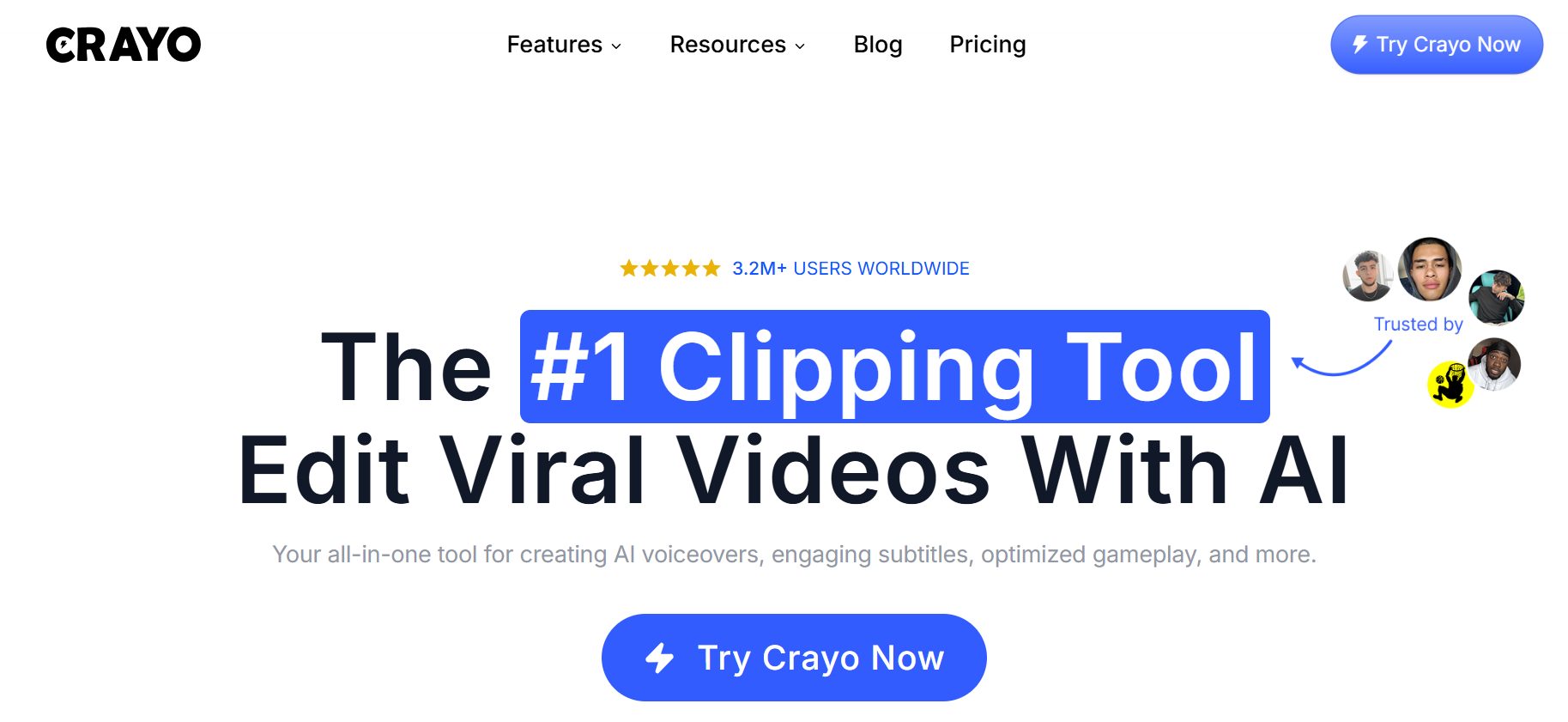
Crayo combines AI voice generation with video editing into a single workflow. Users don't need separate apps for narration, timing, and visual sync. The platform manages voice, subtitles, and editing in one place, reducing the steps between the script and the final video.
Here's how it works: Paste your script, select a voice style, and Crayo generates narration that syncs with your footage. There's no need to export audio files or manually adjust timing. The tool was created by someone who understands what makes content go viral, so the interface prioritizes speed over complexity.
Think about a faceless TikTok creator who uses Crayo to create daily motivational videos in less than 10 minutes.Instead of recording every night, they write scripts during the day and generate finished videos before posting. After 30 days, they have 20 more uploads than creators who still use traditional recording methods.
The difference is not just in speed; it's also about consistency. When voice production takes only five minutes instead of an hour, you can post more often.Platforms reward this frequency; more uploads increase the likelihood of going viral. To make the most of this process, Crayo’s clip creator tool is a great option for elevating your video content.
2. Murf AI
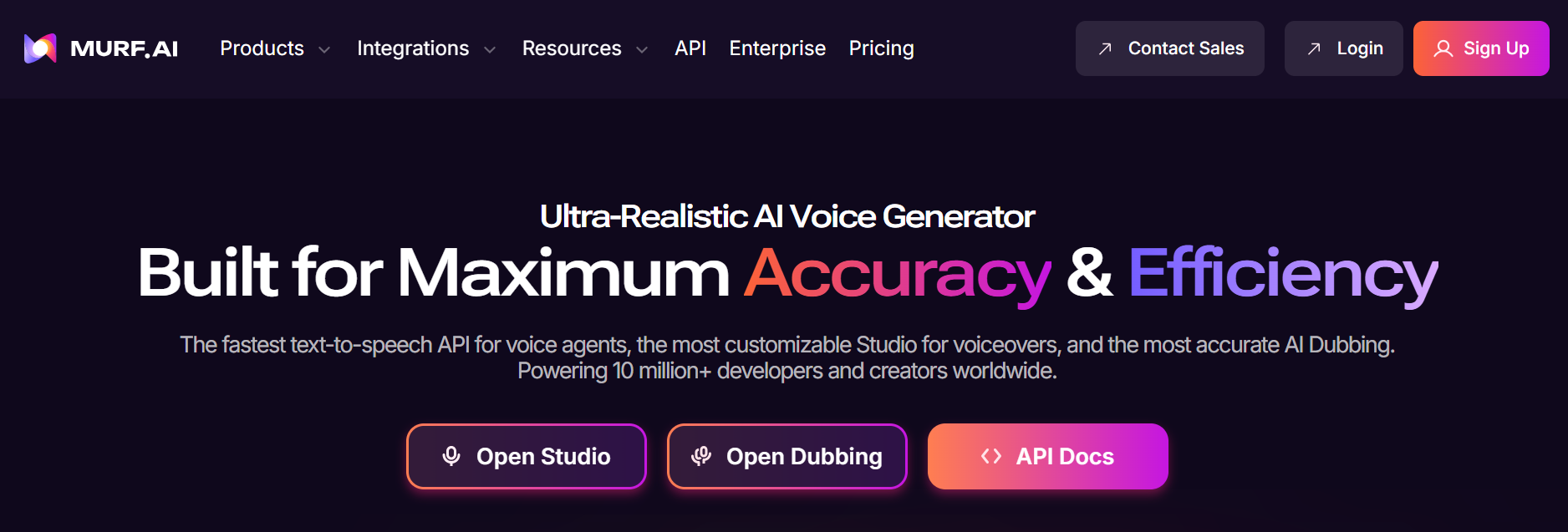
Murf focuses on studio-quality narration for business content. The voices sound polished and professional, making them well-suited for explainer videos, presentations, and client materials.If your audience expects corporate-level audio, Murf provides it without needing a recording booth or a hired narrator.
Best for
Teams producing training videos, product demos, or sales presentations where audio quality is critical to credibility.
3. ElevenLabs
ElevenLabs specializes in ultra-realistic, emotionally nuanced voices. The platform uses neural models trained on thousands of real human recordings.This results in narration that feels human rather than robotic. Blind listener tests show over 90% acceptance rates. This means most listeners can't distinguish ElevenLabs voices from real narrators, as noted in a related discussion here.
Best for
Storytelling, long-form content, and videos where emotional connection matters more than speed.
4. PlayHT
PlayHT supports over 50 languages, making it a top choice for creators who want to reach international audiences. The platform also supports regional accents and dialects, so your content sounds natural to viewers in different countries. Additionally, our clip creator tool streamlines the voice-over process, helping you craft engaging audio effortlessly.
Best for
Multilingual creators who need a steady voice quality across different languages without the need to hire several narrators.
5. LOVO AI
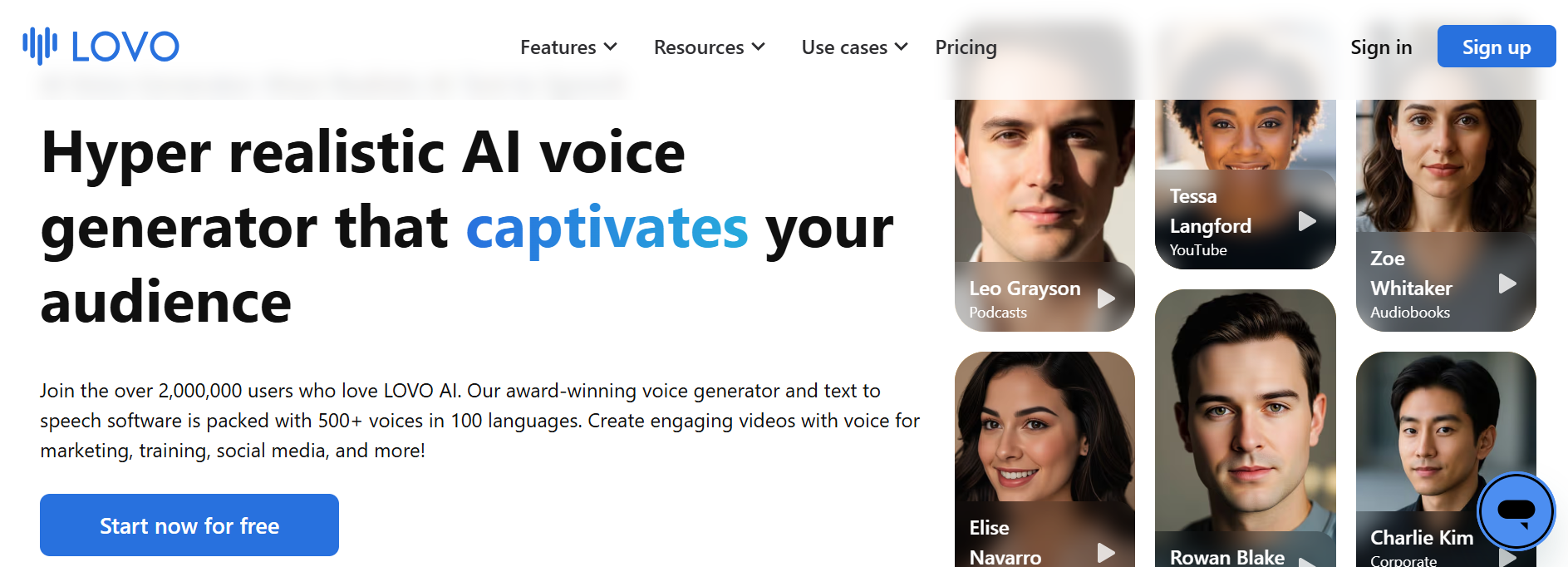
LOVO AI offers trendy, platform-specific voices made for short-form social media. These voices match the energy and speed of Reels, Shorts, and TikTok, helping content feel right for each platform. When the audio aligns with the style viewers expect, they tend to stay engaged longer.
Best for
Social media creators who need a fast turnaround and the right tone for each platform. Our clip creator tool streamlines the production of high-quality audio that captures your audience's attention.
6. WellSaid Labs
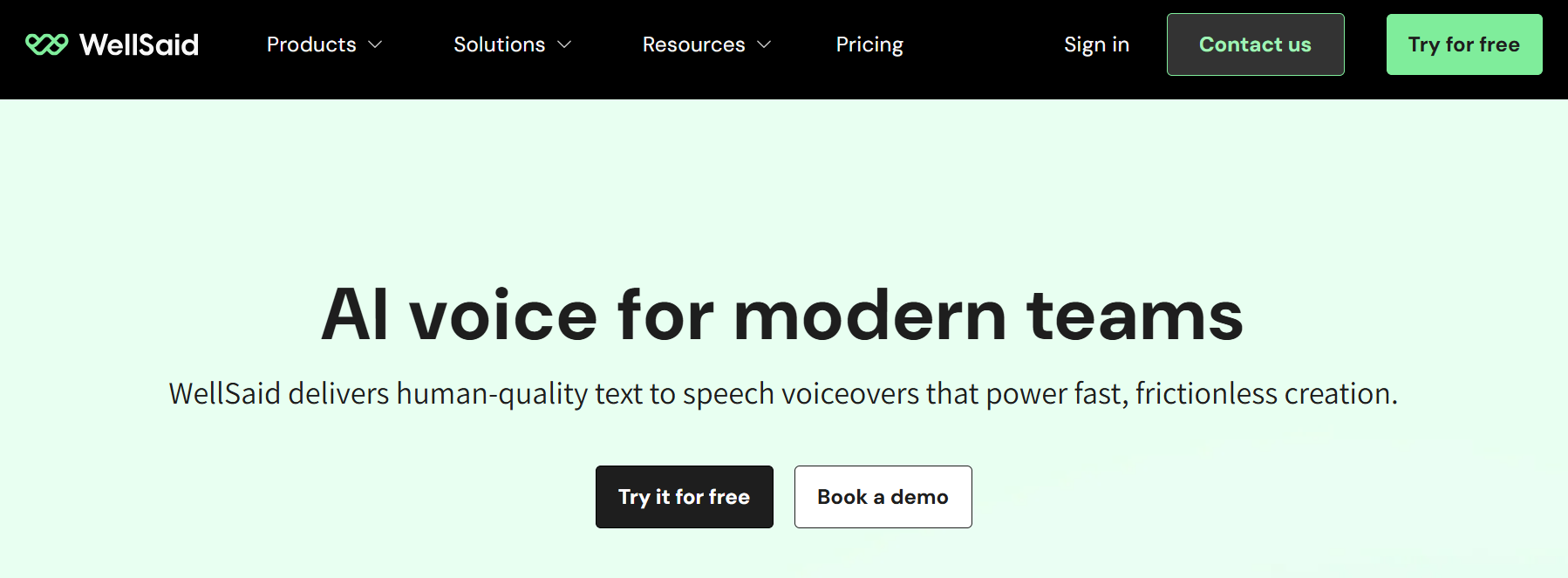
WellSaid Labs creates high-quality audio for businesses. The voices are clear, neutral, and professional, making them well-suited for internal training, onboarding videos, and branded content.Companies choose WellSaid when they need consistent audio quality across many videos, where our clip creator tool is particularly beneficial.
Best for
Businesses making training materials, compliance videos, or sales enablement content.
7. Speechify
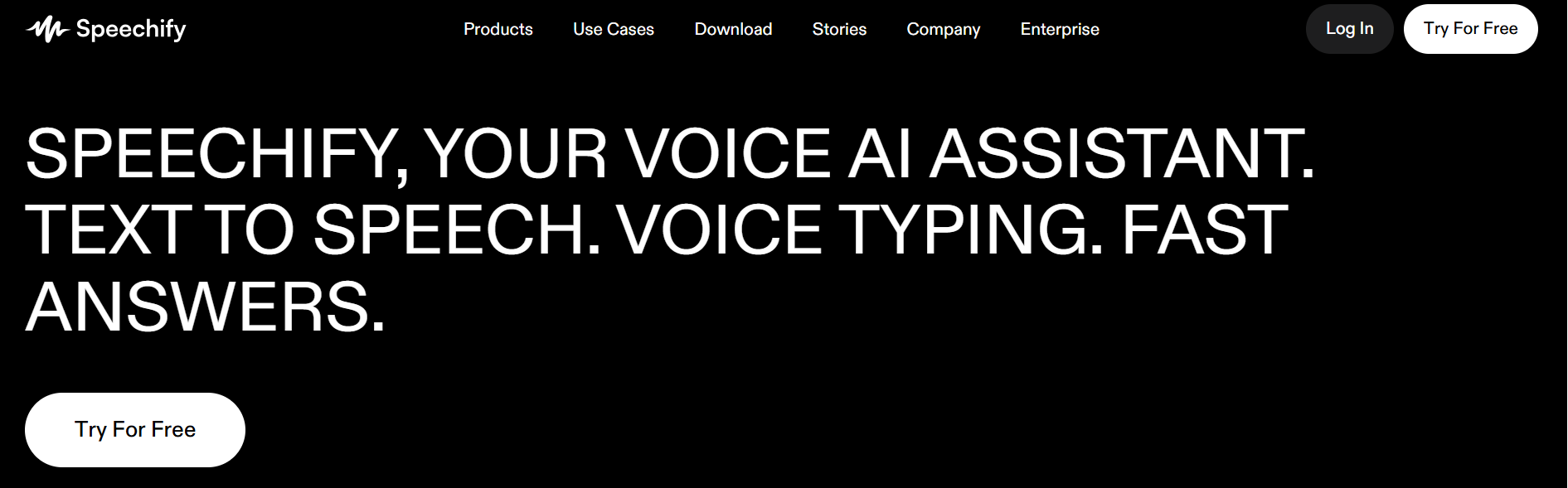
Speechify is a simple text-to-speech tool that is great for beginners trying out AI voices. The interface is easy to use, with a low learning curve, and the output is clear enough for simple projects. Although it might not be the fanciest option, it helps eliminate fear for creators who have never used voice generation before.
Best for
New creators are experimenting with AI voices before deciding on more complicated platforms.
Most creators don't just need a voice generator; they need voice, video, editing, and timing to work together smoothly. When using different tools, the workflow breaks down. You might write in Google Docs, generate voice in one app, edit in another, and sync in a third. Each step creates problems.
All-in-one platforms like Crayo combine that workflow into one process. You paste a script, select a voice, and the platform generates narration that syncs with your footage. The result is a finished video in minutes, not hours.
How does workflow efficiency impact creators?
The time difference between creators can be important. Creator A uses Google Docs, a voice app, and an editor. Each video takes about one hour to finish.In comparison, Creator B uses Crayo, making each video in just eight minutes. After 30 days, Creator B has published 20 more videos. The difference in output isn't due to talent; it's due to workflow efficiency.
Platforms reward consistency, so more uploads lead to greater visibility. Producing videos faster takes away the excuse of not having enough time. As a result, the holdup shifts from technical work to content strategy, where it should have been all along.
What do specialized tools offer?
Specialized tools are important when your content needs specific features. For instance, when creating multilingual tutorials, PlayHT's language support is more important than its speed. If you're making corporate training videos, WellSaid Labs' high-quality audio justifies the extra setup time. If your brand focuses on emotional storytelling, ElevenLabs' realistic tone is most important.
Most creators, however, need speed and simplicity more than specialization. They post every day, test trends, and adjust based on performance. In this process, all-in-one platforms are better at reducing complexity than specialized tools.
Which tool helps you finish faster?
The question isn't which tool has the most features; it's which tool lets you finish faster without sacrificing quality. Typecast AI supports 142+ languages and offers over 1,000 voices. If switching between apps adds 30 minutes to your workflow, as noted in this discussion, the feature set doesn't matter. Speed wins when consistency drives growth.
The tools exist, and the technology works. The only question left is whether you know how to use them effectively. Our clip creator tool can help streamline your process.
Create Your First Pro Voice Video in 10 Minutes
Minutes 0 to 2: Write a Short, Focused Script
Open a blank document and write five to seven sentences. Start with a hook that grabs attention within the first three seconds. Clearly state your main point.Include two or three supporting ideas. Conclude with a strong call to action.
Example structure
- Hook: "Most people waste hours fixing bad audio."
- Main idea: "AI voice tools generate studio-quality narration in seconds, and our clip creator tool simplifies this process even more."
- Supporting point 1: "No recording equipment needed."
- Supporting point 2: "No editing mistakes or background noise."
- Call to action: "Try it once and you'll never go back."
Minutes 2 to 5: Generate Voice with Crayo
Open Crayo and paste your script into the text field. Next, choose a voice style that aligns with your content's tone. Click Generate, and the platform will automatically create the narration and sync it with your footage.You don’t need a separate audio file or manual timing changes; the voice, visuals, and pacing work together in one step. Our clip creator tool simplifies this process by streamlining your video editing and production.
How does this workflow simplify video production?
This workflow removes the technical friction that stops many creators from posting regularly. There is no need to switch between apps, fix sync issues, or spend 20 minutes adjusting volume levels.Designed by someone who understands what makes viral content, the interface prioritizes speed over complexity.
A Reddit user in r/OnlineIncomeHustle reported a significant reduction in production time, from 45 minutes to under 10 minutes after switching to AI voice workflows. The improvement occurred not because of talent or better equipment, but because we eliminated the recording bottleneck entirely.Our clip creator tool further streamlines this process.
Minutes 5 to 8: Add Visuals and Sync Timing
Upload your clips or images, and the platform will automatically sync them with the narration. If a section seems too fast or too slow, you can quickly change the timing. Most videos need no adjustments because the AI matches the pacing to the script length. However, if you want a pause for emphasis or a quicker transition between ideas, you can adjust it in just a few seconds.
This step is more important than many creators understand. When visuals and voice don’t match well, viewers can tell. They might not think, "The timing is off," but they can sense something is wrong, and they will click away. Coordinated pacing helps keep their attention.
Minutes 8 to 10: Review and Export
Play the video once to ensure all parts work properly. Verify that the voice is clear and that the volume is balanced.Ensure the hook captures attention within the first three seconds, and verify that the call to action is strong. If everything works, export and upload.
What should you confirm before uploading?
Most creators skip the review step because they think the platform has done everything. While this is usually true, a quick 60-second preview can find rare mistakes before they go live. It's better to spend 30 seconds checking than to post a video with a big error that affects viewer retention.
Quick Pre-Publish Checklist
☐ Voice is clear and confident
☐ No background noise or audio glitches
☐ Timing matches visuals without awkward gaps.
☐ Hook grabs attention in the first three seconds
☐ Call to action is direct and specific
If you can check all five boxes, the video is ready. If anyone fails, fix it now.A small change before publishing can prevent a weak upload from being promoted by the algorithm.
Why This Workflow Outperforms Traditional Methods
Traditional production follows this path:
Record voice → Listen back → Re-record mistakes → Edit out noiseAdjust volume → Sync to visuals → Fix timing issues → Export
AI workflow with Crayo:
Paste script → Generate voice → Sync visuals → Export
The first method requires technical skill, patience, and time. The second method needs a clear script. That's the main difference. When you remove recording and audio editing, video production becomes a writing task rather than a technical challenge.
Creators who master this workflow typically post three to five videos each week. Platforms reward posting often, so more uploads mean more chances to go viral.A faster production process removes the excuse of not having enough time. As a result, the bottleneck shifts from technical execution to content strategy, where it should have been all along.
However, knowing the workflow is only half the process. The other half is putting it into action using tools like Crayo's clip creator, which streamlines the video creation process.
Related Reading
- Ai Voice Cloning Scams
- Voice Over For E-learning
- Voiceover Industry Classification Categories
- How To Do A Voiceover On Canva
- How To Do A Voiceover On Google Slides
- How To Add Voiceover To PowerPoint On iPad
- How To Do Voiceover On Capcut
- How To Do A Voiceover On PowerPoint
- How To Add Voiceover To Instagram Reels
- How To Add Voiceover To Instagram Story
- How To Screen Record On Mac With Voiceover
Start Your 10-Minute Video Now
If you're tired of spending hours on voice recording and editing, try a simple test today. Open Crayo, paste your next video script, generate your voice, and sync your visuals. In less than 10 minutes, you'll have a clean voiceover, a complete video, and a system you can use again.
Instead of struggling with microphones and editing software, you can focus on what really helps your channel grow: publishing consistently.
The creators who grow the fastest aren't always those with the best recording setups. They are the ones who have completely removed recording as a problem.Start your first professional video today and let Crayo handle the hard part.
Related Reading
- AI Voiceover Generation Tools
- Uberduck AI Alternative
- Play.ht Alternatives
- Murf AI Vs Elevenlabs
- Murf AI Alternatives
- Speechify Alternative
- Wellsaid Labs Alternative
- Resemble AI Alternative
- Lovo.ai Alternative Free
- Elevenlabs Alternative